

Hey there! I'm a supplier in the speciality metals processing game, and today, I wanna chat about how precision machining fits into this whole scene.
So, first off, what are speciality metals? Well, these are metals that have unique properties, different from your run - of - the - mill stuff. They could be high - strength alloys, corrosion - resistant materials, or metals with specific thermal or electrical conductivity. Speciality metals are used in a ton of industries, like aerospace, medical, and electronics. And that's where precision machining comes in super handy.
Precision machining is all about making parts with extremely tight tolerances. We're talking about getting dimensions right down to the micrometer level. In speciality metals processing, this level of accuracy is crucial. For example, in the aerospace industry, parts need to be perfect. A tiny error in a component could lead to big problems, like a malfunction during flight. Precision machining allows us to create parts that fit together exactly as they should, ensuring the safety and reliability of the final product.
One of the challenges with speciality metals is that they can be tough to work with. Some of these metals are really hard, which means they can wear down cutting tools quickly. Others might be prone to cracking or warping during the machining process. But with precision machining, we've got the technology and techniques to deal with these issues.
We use advanced CNC (Computer Numerical Control) machines. These are like the brains of the operation. They can control the cutting tools with incredible precision, following a pre - programmed design to the letter. The CNC machines can adjust the speed, feed rate, and depth of cut in real - time, based on the properties of the speciality metal. This helps us get the best results while minimizing damage to the material.
Let's talk about some specific speciality metals and how precision machining is used for them.
Copper Alloy Class
Copper alloys are widely used in various industries because of their good electrical and thermal conductivity. You can learn more about them at Copper Alloy Class. When it comes to precision machining of copper alloys, we have to be careful with the cutting parameters. Copper alloys can be soft, so we need to use the right cutting speed and feed rate to avoid smearing or tearing of the material. The CNC machines can be programmed to use a high - speed cutting strategy, which helps in getting a smooth surface finish. This is important, especially when the copper alloy parts are used in electrical applications, as a smooth surface can improve the conductivity and reduce the risk of overheating.

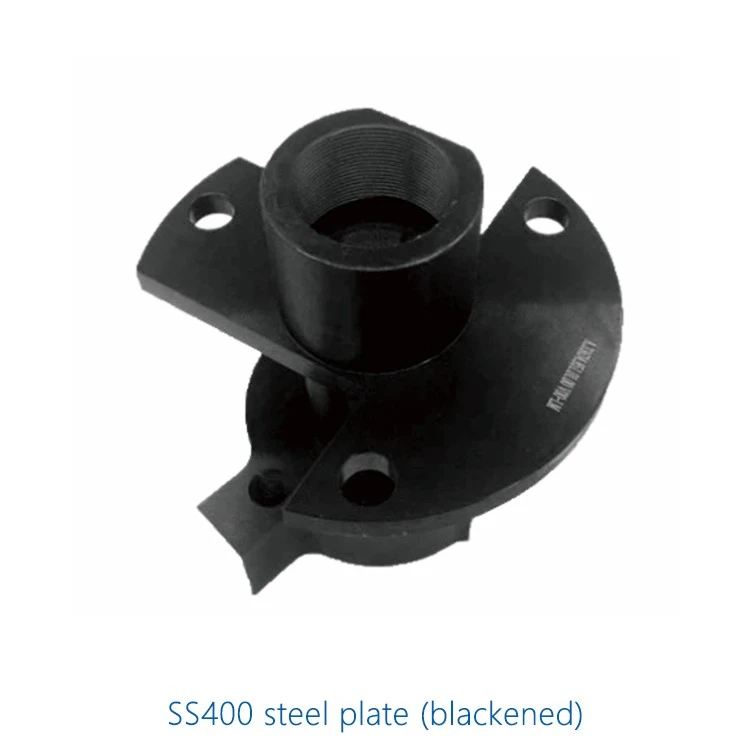
Carbon Steel Alloy
Carbon steel alloys are known for their strength and durability. Check out Carbon Steel Alloy for more details. Precision machining of carbon steel alloys often involves heat treatment processes. Before machining, the carbon steel might be hardened to a certain level. Then, during the machining process, we need to use appropriate cutting tools that can withstand the high - hardness of the material. The precision machining can create complex shapes and features in carbon steel alloy parts, which are used in machinery, automotive, and construction industries. For example, in automotive engines, carbon steel alloy parts need to be machined with high precision to ensure proper fit and function.
Another aspect of precision machining in speciality metals processing is the finishing touches. After the initial machining, the parts might go through processes like grinding, polishing, or coating. These finishing processes are also done with precision. For example, a polished surface on a speciality metal part can improve its corrosion resistance and aesthetic appeal. Coating can add additional properties, like wear resistance or lubricity.
Processing Of Special Materials
If you're interested in the overall processing of special materials, head over to Processing Of Special Materials. There, you'll find more in - depth information about how different speciality metals are handled during the processing.
In the world of speciality metals processing, quality control is a big deal. Precision machining allows us to implement strict quality control measures. We can use metrology equipment, like coordinate measuring machines (CMMs), to check the dimensions of the machined parts. These machines can measure the parts with high accuracy and compare the results with the design specifications. If there are any deviations, we can make adjustments to the machining process to ensure that the final parts meet the required standards.
Now, you might be wondering why you should choose a supplier like me for your speciality metals processing needs. Well, I've got years of experience in this field. I know the ins and outs of working with different speciality metals and using precision machining techniques. I've invested in the latest CNC machines and metrology equipment, so I can guarantee high - quality parts.
Whether you need a small batch of custom - made parts or a large - scale production run, I can handle it. I work closely with my clients to understand their specific requirements and then come up with the best machining solutions. I also offer a quick turnaround time, so you can get your parts when you need them.
If you're in the market for speciality metals processing and want to take advantage of precision machining, I'd love to hear from you. Whether you're in the aerospace, medical, electronics, or any other industry that uses speciality metals, we can work together to create the perfect parts for your needs. Just reach out, and we can start the conversation about your project.
In conclusion, precision machining is an essential part of speciality metals processing. It allows us to work with tough - to - machine materials, create complex parts with high accuracy, and ensure the quality of the final products. With the right technology and expertise, we can meet the diverse needs of different industries. So, if you're looking for a reliable partner in speciality metals processing, don't hesitate to get in touch.
References
- "Precision Machining Technology" by John A. Reinhart
- "Specialty Metals Handbook" by various authors