

Hey there! As a supplier of die steel material grades, I often get asked about the shear strength of different steel grades. Today, I'm gonna focus on H19 die steel grade and break down what its shear strength means, how it's measured, and why it matters.
First off, let's understand what shear strength is. Shear strength is the ability of a material to resist forces that cause the internal structure of the material to slide against itself. In simpler terms, it's how well a material can handle being cut or torn apart sideways. When it comes to die steel like H19, shear strength is super important because dies are often subjected to high-pressure and high-stress situations during the manufacturing process.
H19 die steel is a hot-work tool steel. It's known for its good combination of hardness, toughness, and wear resistance. These properties make it suitable for a variety of applications, such as die casting dies, forging dies, and extrusion dies. The shear strength of H19 die steel plays a crucial role in determining how well these dies can perform under extreme conditions.
So, what's the shear strength of H19 die steel grade? Well, the shear strength can vary depending on several factors, including the heat treatment process, the chemical composition of the steel, and the specific manufacturing conditions. Generally speaking, the shear strength of H19 die steel can range from around 400 MPa to 700 MPa. But keep in mind, these are just approximate values.

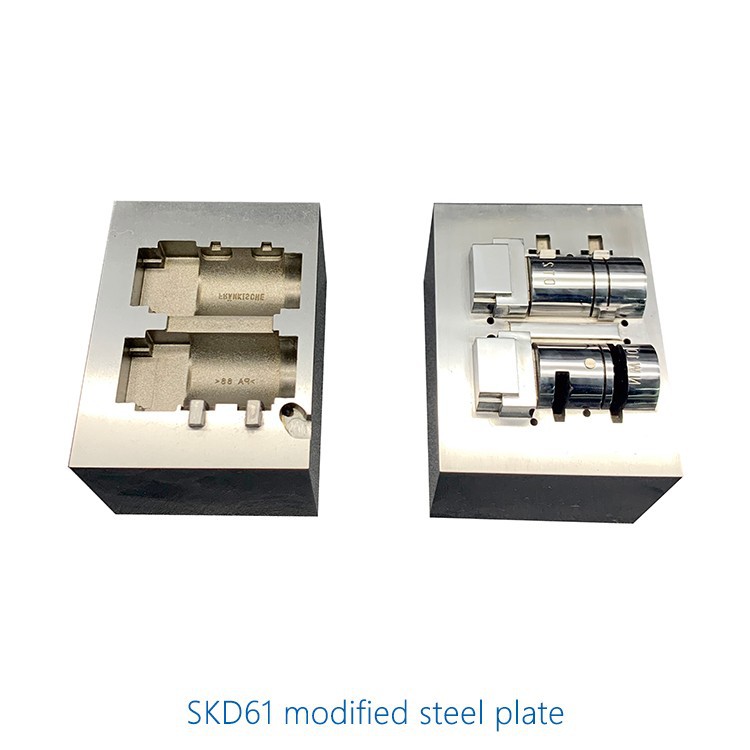
The heat treatment process has a significant impact on the shear strength of H19 die steel. When the steel is properly heat-treated, the internal structure of the steel is optimized, which can increase its shear strength. For example, quenching and tempering are common heat treatment methods for H19 die steel. Quenching involves rapidly cooling the steel from a high temperature, which forms a hard and strong martensitic structure. Tempering then follows to relieve the internal stresses and improve the toughness of the steel. By carefully controlling the heat treatment parameters, we can achieve the desired shear strength for specific applications.
The chemical composition of H19 die steel also affects its shear strength. H19 die steel typically contains elements such as carbon, chromium, molybdenum, and vanadium. Carbon is important for increasing the hardness of the steel, while chromium improves the corrosion resistance and hardenability. Molybdenum and vanadium contribute to the high-temperature strength and wear resistance of the steel. The right balance of these elements is essential for achieving the optimal shear strength.
In addition to heat treatment and chemical composition, the manufacturing conditions can also influence the shear strength of H19 die steel. For instance, the machining process can introduce residual stresses in the steel, which can affect its shear strength. If the machining is not done properly, it can create microcracks or other defects in the steel, reducing its shear strength. Therefore, it's important to use high-quality machining techniques and equipment to ensure the integrity of the steel.
Now, let's talk about why the shear strength of H19 die steel is so important. In die casting applications, for example, the dies are subjected to high pressures and temperatures as molten metal is injected into the mold. The shear strength of the die steel determines how well the dies can withstand these forces without deforming or cracking. If the shear strength is too low, the dies may fail prematurely, leading to costly downtime and production losses.
In forging operations, the dies are used to shape metal parts under high-pressure conditions. The shear strength of the die steel is crucial for ensuring that the dies can maintain their shape and integrity during the forging process. A die with high shear strength can produce high-quality parts with consistent dimensions and surface finish.
Extrusion is another application where the shear strength of H19 die steel is important. In extrusion, a metal billet is forced through a die to create a specific shape. The die steel needs to have sufficient shear strength to withstand the high frictional forces and pressures generated during the extrusion process. Otherwise, the die may wear out quickly or develop cracks, affecting the quality of the extruded products.
As a supplier of die steel material grades, we understand the importance of providing high-quality H19 die steel with the right shear strength for our customers' applications. We work closely with our customers to understand their specific requirements and recommend the most suitable heat treatment and manufacturing processes to achieve the desired shear strength.
If you're interested in learning more about the Processing Of Special Materials, Die Steel, or Processing Of Engineering Plastics, feel free to explore our website. We offer a wide range of die steel grades, including H19, and we're committed to providing excellent customer service and technical support.
If you're in the market for H19 die steel or any other die steel material grades, don't hesitate to get in touch with us. We're here to help you find the right solution for your manufacturing needs. Whether you're a small business or a large corporation, we can provide you with the high-quality die steel you need at a competitive price.
In conclusion, the shear strength of H19 die steel grade is an important property that determines its performance in various manufacturing applications. By understanding the factors that affect the shear strength and working with a reliable supplier, you can ensure that you're getting the best die steel for your needs. So, if you have any questions or need more information, just reach out to us, and we'll be happy to assist you.
References
- ASM Handbook Volume 1: Properties and Selection: Irons, Steels, and High-Performance Alloys
- Tool and Die Steels: A Practical Guide