

Hey there! As a die steel plate supplier, I often get asked about the hardness of die steel plates after heat treatment. It's a crucial topic, especially for those in industries where die steel plates are used for various applications, like manufacturing tools and molds. So, let's dive right into it.
Understanding Die Steel
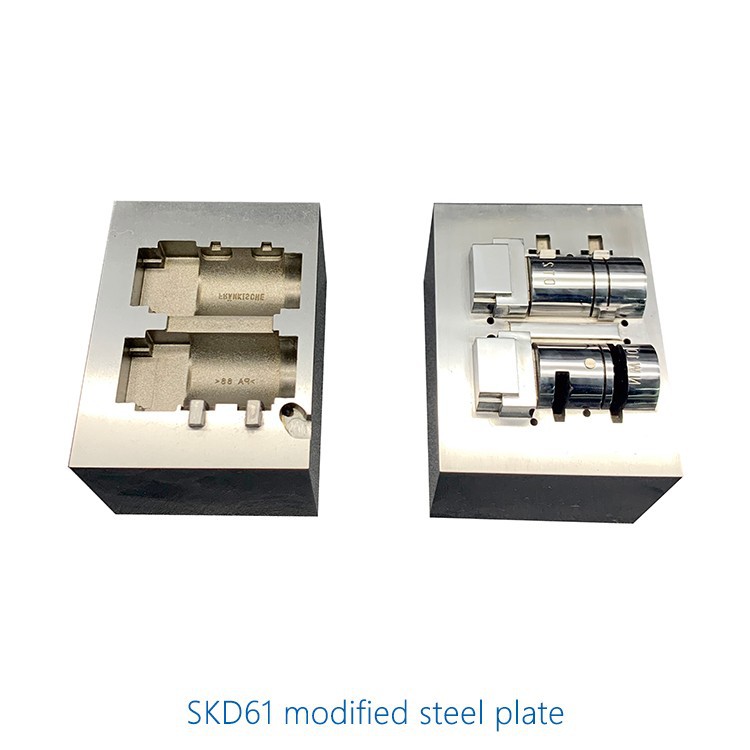
First off, what is die steel? Well, die steel is a type of tool steel that's specifically designed for making dies. Dies are used in a whole bunch of manufacturing processes, such as forging, extrusion, and stamping. Die steel needs to have certain properties to perform well in these applications, and hardness is one of the most important ones.
You can learn more about die steel on our website Die Steel. This page gives you a detailed overview of the different types of die steel and their uses.

Heat Treatment and Its Role
Heat treatment is a process that involves heating and cooling the die steel plate in a controlled way to change its physical and mechanical properties. The main goal of heat treating die steel is to increase its hardness, wear resistance, and toughness. There are several heat treatment methods, but the most common ones for die steel are quenching and tempering.
Quenching
Quenching is the process of rapidly cooling the heated die steel plate. This is usually done by immersing the hot plate in a quenching medium, like oil or water. When the steel is cooled quickly, it forms a very hard and brittle structure called martensite. The hardness of the quenched steel depends on factors like the steel's chemical composition, the quenching medium, and the cooling rate.
For example, if you use water as a quenching medium, the cooling rate will be faster compared to oil. This usually results in a higher hardness, but it also increases the risk of cracking and distortion in the steel plate. On the other hand, oil quenching provides a slower cooling rate, which reduces the risk of cracking but may result in a slightly lower hardness.
Tempering
After quenching, the die steel plate is usually too hard and brittle to be used directly. That's where tempering comes in. Tempering is the process of reheating the quenched steel to a lower temperature and then cooling it slowly. This process helps to relieve the internal stresses in the steel and reduces its brittleness while maintaining a high level of hardness.
The tempering temperature and time are critical factors that determine the final hardness of the die steel plate. Generally, a higher tempering temperature will result in a lower hardness but better toughness. The right balance between hardness and toughness depends on the specific application of the die steel plate.
Factors Affecting Hardness After Heat Treatment
There are several factors that can affect the hardness of a die steel plate after heat treatment. Let's take a look at some of the most important ones.
Chemical Composition
The chemical composition of the die steel plays a significant role in determining its hardness after heat treatment. Different alloying elements, such as carbon, chromium, molybdenum, and vanadium, have different effects on the steel's properties.
Carbon is the most important element for increasing the hardness of steel. The higher the carbon content, the higher the potential hardness of the steel after heat treatment. However, too much carbon can also make the steel more brittle.
Chromium, molybdenum, and vanadium are alloying elements that help to improve the hardenability, wear resistance, and toughness of the steel. They form carbides in the steel, which increase its hardness and wear resistance.
Heat Treatment Process Parameters
As mentioned earlier, the heat treatment process parameters, such as the quenching temperature, quenching medium, tempering temperature, and tempering time, have a significant impact on the hardness of the die steel plate. These parameters need to be carefully controlled to achieve the desired hardness and other properties.
For example, if the quenching temperature is too low, the steel may not fully transform into austenite, which can result in a lower hardness after quenching. On the other hand, if the tempering temperature is too high or the tempering time is too long, the steel may lose too much hardness.
Pre - heat Treatment Condition
The pre - heat treatment condition of the die steel plate, such as its initial microstructure and hardness, can also affect the final hardness after heat treatment. If the steel has a non - uniform microstructure or a high initial hardness, it may be more difficult to achieve the desired hardness after heat treatment.
Measuring the Hardness of Die Steel Plates
There are several methods for measuring the hardness of die steel plates. The most common methods are the Rockwell hardness test, the Brinell hardness test, and the Vickers hardness test.
The Rockwell hardness test is a quick and easy method that measures the depth of penetration of an indenter into the steel under a specific load. The Brinell hardness test measures the diameter of the indentation made by a spherical indenter under a large load. The Vickers hardness test measures the size of a square - shaped indentation made by a diamond indenter under a small load.
Each of these methods has its own advantages and disadvantages, and the choice of method depends on factors like the size and shape of the die steel plate, the required accuracy of the measurement, and the available testing equipment.
Applications of Die Steel Plates with Different Hardness
The hardness of a die steel plate after heat treatment determines its suitability for different applications.
For applications where high wear resistance is required, such as in stamping dies and cold forging dies, a high - hardness die steel plate is usually preferred. These plates can withstand the high pressures and abrasive forces involved in these processes without wearing out quickly.
On the other hand, for applications where toughness is more important, such as in hot forging dies and extrusion dies, a die steel plate with a lower hardness but higher toughness may be more suitable. These plates can withstand the high temperatures and impact forces involved in these processes without cracking or breaking.
Related Services
Apart from die steel, we also offer other processing services. If you're interested in Aluminum Alloy Processing, we can provide high - quality processing solutions for aluminum alloy parts. And if you need Processing Of Engineering Plastics, we've got you covered as well.
Let's Talk!
If you're in the market for die steel plates or have any questions about the hardness after heat treatment, I'd love to hear from you. Whether you're a small - scale manufacturer or a large - scale industrial company, we can provide the right die steel plates for your needs. Just reach out to us, and we can start a conversation about your requirements and how we can help you get the best - quality die steel plates at a competitive price.
References
- ASM Handbook Volume 4: Heat Treating. ASM International.
- Metals Handbook Desk Edition, 3rd Edition. ASM International.
- Tool and Die Making Handbook, 4th Edition. Industrial Press Inc.