

Hey there! As a brake die steel supplier, I often get asked about the cost of brake die steel. It's a question that doesn't have a straightforward answer, as there are several factors that come into play. In this blog post, I'll break down the different elements that contribute to the cost of brake die steel and give you a better understanding of what you're paying for.
First off, let's talk about the raw materials. Brake die steel is typically made from a combination of iron, carbon, and other alloying elements. The quality and purity of these raw materials can vary significantly, and that directly impacts the cost. High - quality raw materials, which offer better performance and durability, are more expensive. For example, if you're using a Carbon Steel Alloy, the specific grade and its properties will determine its price. Some carbon steel alloys are formulated to have high strength, while others are designed for better machinability. The more specialized the alloy, the higher the cost of the raw material.
The production process is another major factor. Making brake die steel involves a series of complex steps, including melting, casting, forging, heat - treating, and machining. Each of these steps requires specialized equipment, skilled labor, and energy. For instance, heat - treating is a crucial process that can significantly enhance the hardness and toughness of the steel. However, it also requires precise control of temperature and time, which adds to the production cost. The more advanced the production technology, the more expensive it is to implement. Advanced forging techniques can produce a more uniform grain structure in the steel, resulting in better mechanical properties, but they also come with a higher price tag.
Market demand and supply also play a huge role in determining the cost. If there's a high demand for brake die steel in the market and the supply is limited, the price will naturally go up. This can happen due to various reasons, such as an increase in the production of automotive parts (since brake dies are widely used in the automotive industry) or disruptions in the supply chain. On the other hand, if the market is flooded with brake die steel, suppliers may lower their prices to attract customers.
Quality control is an aspect that can't be overlooked. As a responsible supplier, we conduct rigorous quality control checks at every stage of the production process. This includes testing the chemical composition, mechanical properties, and surface finish of the steel. We use advanced testing equipment like spectrometers to analyze the chemical composition and hardness testers to measure the hardness. All these quality control measures add to the overall cost, but they're essential to ensure that the final product meets the high standards required for brake dies.
Let's not forget about the size and complexity of the brake die. Larger and more complex dies require more raw material and more time to manufacture. For example, a die with intricate shapes and detailed features will need more precise machining, which increases the production cost. Additionally, if the customer has specific requirements for the die, such as special coatings or surface treatments, this will also add to the cost.
Another cost - related factor is the location of the supplier. If the supplier is located in an area with high labor costs or high energy costs, the price of the brake die steel will be affected. For example, suppliers in developed countries may have higher production costs compared to those in developing countries. However, it's important to note that a lower - cost supplier may not always offer the same level of quality and service.
Now, let's talk about the cost breakdown in a more practical sense. On average, the raw material cost can account for about 30 - 40% of the total cost of brake die steel. The production cost, including labor, energy, and equipment usage, can make up around 40 - 50%. Quality control and overhead costs (such as rent, insurance, and administrative expenses) can take up the remaining 10 - 20%.
When it comes to choosing a brake die steel supplier, price is an important consideration, but it shouldn't be the only one. You also need to consider the quality of the steel, the supplier's reputation, and the level of customer service. A reliable supplier will be able to provide you with detailed information about the production process, quality control measures, and after - sales support.
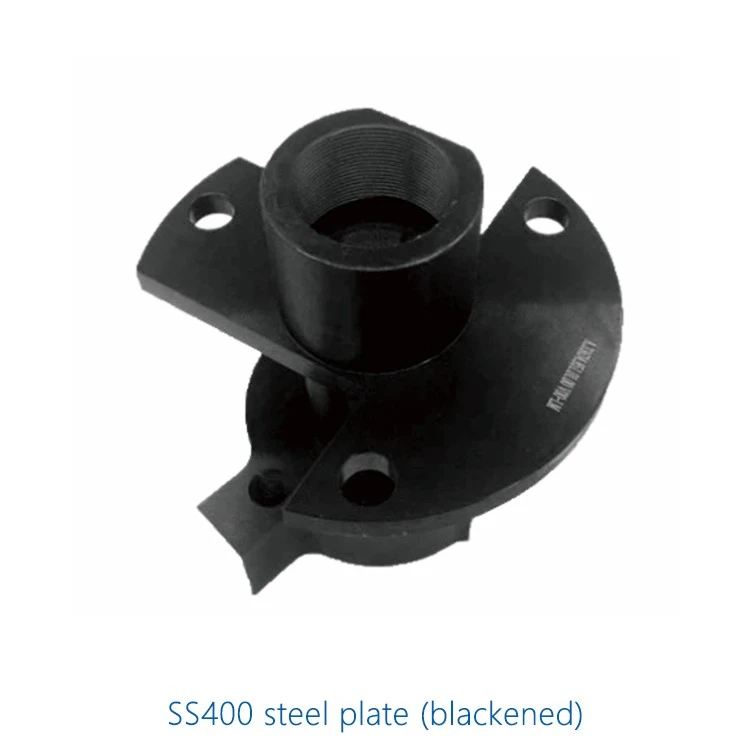

If you're in the market for brake die steel, it's a good idea to get quotes from multiple suppliers. Compare the prices, but also look at the overall value they offer. Ask for samples and test them to ensure that they meet your requirements. You can also check online reviews and customer testimonials to get an idea of the supplier's reputation.
We also offer other related services, such as Aluminum Alloy Processing and Copper Alloy Class. These additional services can be beneficial if you need a one - stop solution for your metal processing needs.
In conclusion, the cost of brake die steel is influenced by a multitude of factors, including raw materials, production process, market demand, quality control, size and complexity of the die, location of the supplier, and more. As a supplier, we strive to offer the best value for our customers by providing high - quality brake die steel at a reasonable price. If you're interested in purchasing brake die steel or have any questions about the cost, feel free to reach out to us. We're more than happy to discuss your specific needs and provide you with a detailed quote.
References:
- General knowledge of steel production and market economics.
- Industry reports on the automotive and metal processing sectors.