

Hey there! I'm a supplier in the speciality metals processing industry, and today I wanna chat about the forging processes used in making these special metals. Speciality metals are super important in a whole bunch of industries, like aerospace, automotive, and manufacturing. They've got unique properties that make them perfect for specific applications. So, let's dive into the forging processes that bring these metals to life!
Open-Die Forging
Open-die forging is one of the oldest and most straightforward methods. In this process, the metal is placed between two flat or shaped dies that don't enclose the metal completely. The dies then apply force to the metal, deforming it into the desired shape. It's like kneading dough, but with metal!
One of the big advantages of open-die forging is its flexibility. You can make a wide variety of shapes and sizes, from simple cylinders to complex custom parts. It's also great for working with large pieces of metal. For example, if you need a huge shaft for a power plant, open-die forging can handle it.
However, it does have some limitations. The precision isn't as high as some other methods, and it can be a bit more labor-intensive. But for many applications where precision isn't the top priority, open-die forging is a cost-effective and reliable choice.
Closed-Die Forging
Closed-die forging, also known as impression-die forging, is a bit more precise. In this process, the metal is placed in a die cavity that completely encloses it. The dies then come together, forcing the metal to fill the cavity and take on the shape of the die.
Closed-die forging can produce parts with very high precision and complex shapes. It's commonly used in the automotive industry to make engine components, like connecting rods and crankshafts. The process also results in better mechanical properties in the final part, because the metal's grain structure is aligned in a way that improves strength and durability.
But there are some downsides too. The dies are expensive to make, so it's not really cost-effective for small production runs. And you need to be really careful with the amount of metal you put in the die, because if there's too much or too little, it can affect the quality of the final part.
Roll Forging
Roll forging is a process where the metal is passed through a set of rolls to reduce its thickness and increase its length. It's kinda like rolling out a piece of clay to make it longer and thinner.
This process is great for making long, thin parts, like axles and bars. It's also very efficient, because it can produce parts in a continuous process. Roll forging can also improve the metal's grain structure, which makes the final part stronger.
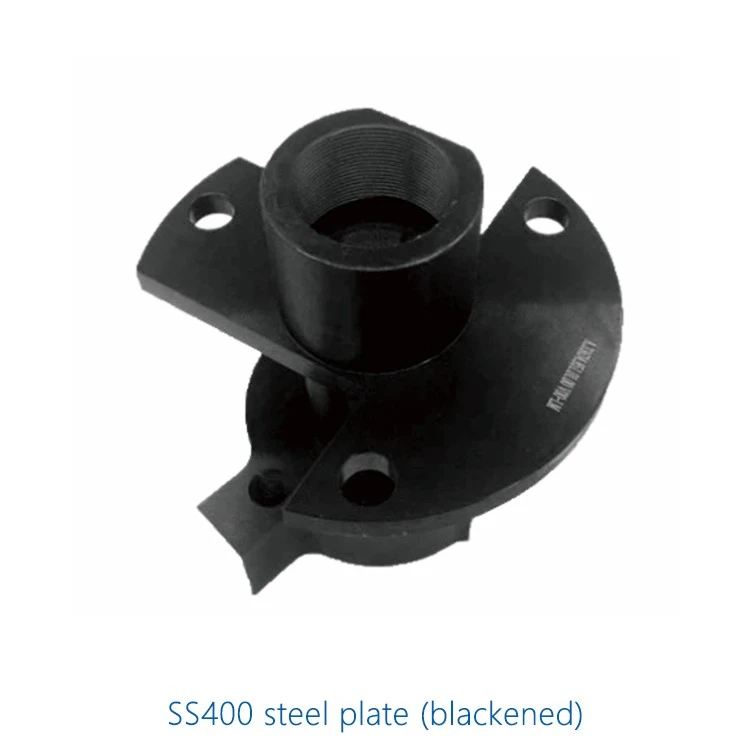
One of the advantages of roll forging is that it can be used with a variety of metals, including Carbon Steel Alloy. Carbon steel alloy is a popular choice in many industries because it's strong, durable, and relatively inexpensive. Roll forging can help bring out the best properties of this alloy.
Upset Forging
Upset forging is a process where the metal is compressed axially to increase its cross-sectional area. It's like squeezing a piece of dough in the middle to make it thicker.
This process is commonly used to make parts like bolts, rivets, and shafts. It's very efficient for making parts with enlarged heads or sections. Upset forging can also improve the metal's mechanical properties, because it aligns the grain structure in a way that makes the part stronger.
One of the benefits of upset forging is that it can save material. Instead of starting with a large piece of metal and machining it down to the desired shape, you can start with a smaller piece and use upset forging to add material where you need it.
Press Forging
Press forging is similar to closed-die forging, but it uses a press to apply the force instead of a hammer. The press can apply a slow, steady force, which allows for more precise control over the forging process.
Press forging is great for making large, complex parts with high precision. It's commonly used in the aerospace industry to make parts like turbine blades and landing gear components. The process can also produce parts with excellent mechanical properties, because the slow, controlled force helps to align the metal's grain structure.
However, press forging machines are very expensive, and the setup time can be long. So, it's usually only cost-effective for large production runs.
Impact Forging
Impact forging, also known as hammer forging, is a process where a hammer strikes the metal to deform it. The hammer can be powered by steam, air, or hydraulic pressure.
This process is very fast and can produce parts with high strength. It's commonly used in the manufacturing of tools and machinery parts. Impact forging can also create a unique surface finish on the part, which can be beneficial in some applications.
But impact forging can be a bit noisy and can cause vibrations, which need to be managed. It also requires a skilled operator to ensure that the hammer strikes the metal in the right place and with the right force.
Isothermal Forging
Isothermal forging is a specialized process where the metal is forged at a constant temperature. This helps to reduce the flow stress of the metal, which makes it easier to deform.
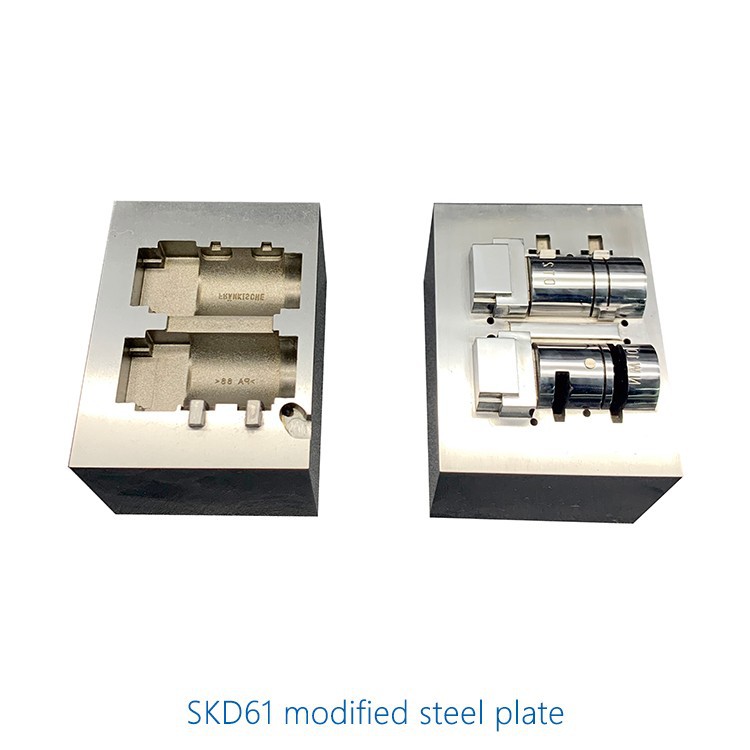
Isothermal forging is commonly used for high-strength alloys, like Die Steel. Die steel is used in the manufacturing of dies and molds, because it has excellent wear resistance and toughness. Isothermal forging can help to bring out the best properties of this alloy, resulting in a high-quality final product.
The downside of isothermal forging is that it requires special equipment to maintain the constant temperature, which can be expensive. It's also a relatively slow process, so it's not suitable for high-volume production.
Aluminum Alloy Processing
Aluminum alloys are widely used in many industries because they're lightweight, corrosion-resistant, and have good mechanical properties. There are several forging processes that are commonly used for Aluminum Alloy Processing.
Open-die forging can be used to make large, simple aluminum parts. Closed-die forging is great for making complex aluminum parts with high precision. Roll forging can be used to make long, thin aluminum parts, like rods and tubes. And upset forging can be used to make aluminum parts with enlarged sections, like bolts and rivets.
Each of these processes has its own advantages and disadvantages, and the choice of process depends on the specific requirements of the part. For example, if you need a high-precision aluminum part for an aerospace application, closed-die forging might be the best choice. But if you need a large, simple aluminum part for a construction project, open-die forging could be more cost-effective.
Conclusion
As you can see, there are many different forging processes used in speciality metals processing, and each one has its own unique advantages and disadvantages. The choice of process depends on a variety of factors, including the type of metal, the shape and size of the part, the required precision, and the production volume.
At our company, we've got the expertise and experience to choose the right forging process for your specific needs. Whether you need a simple part made from Carbon Steel Alloy or a complex part made from Die Steel, we can help.
If you're in the market for speciality metals processing, we'd love to talk to you. We can work with you to understand your requirements and come up with the best solution for your project. So, don't hesitate to reach out and start a conversation about your procurement needs.
References
- "Metal Forming and Forging Handbook"
- "Introduction to Manufacturing Processes"
- Industry publications on speciality metals processing