

The appearance of engineering molded parts is a critical aspect that can significantly impact their functionality, marketability, and overall quality. As an engineering molding supplier, I've witnessed firsthand how various factors come into play in determining the final look of these parts. In this blog post, I'll delve into the key elements that influence the appearance of engineering molded parts and provide insights based on my industry experience.
Material Selection
The choice of material is perhaps the most fundamental factor affecting the appearance of engineering molded parts. Different materials possess unique properties that can greatly influence the final aesthetic outcome.
Metals
- Copper Alloy Class: Copper alloys are widely used in engineering molding due to their excellent electrical conductivity, corrosion resistance, and malleability. The Copper Alloy Class offers a range of options, each with its own distinct appearance. For instance, brass, a copper-zinc alloy, has a warm, golden hue that can add a touch of elegance to molded parts. On the other hand, bronze, a copper-tin alloy, has a more subdued, earthy tone that is often preferred for its antique look.
- Aluminum Alloy Processing: Aluminum alloys are lightweight, strong, and highly corrosion-resistant, making them a popular choice for a variety of engineering applications. The Aluminum Alloy Processing allows for precise control over the material's properties, including its surface finish. Aluminum parts can be finished in a variety of ways, such as anodizing, painting, or powder coating, to achieve different colors and textures.
Plastics
Plastics offer a wide range of appearance options, from glossy and smooth to matte and textured. The choice of plastic resin can have a significant impact on the final look of the molded part. For example, polycarbonate is known for its high transparency and scratch resistance, making it ideal for applications where clarity is important. Acrylic, on the other hand, has a more lustrous appearance and is often used for decorative purposes.
Molding Process
The molding process itself can also have a profound effect on the appearance of engineering molded parts. Different molding techniques offer varying levels of precision, surface finish, and detail.
Injection Molding
Injection molding is one of the most common methods used for manufacturing engineering molded parts. It involves injecting molten material into a mold cavity under high pressure. The quality of the mold and the injection parameters, such as temperature, pressure, and injection speed, can all affect the appearance of the final part. A well-designed mold with smooth surfaces and proper venting can help prevent defects such as sink marks, flash, and air bubbles, resulting in a high-quality, aesthetically pleasing part.
Die Casting
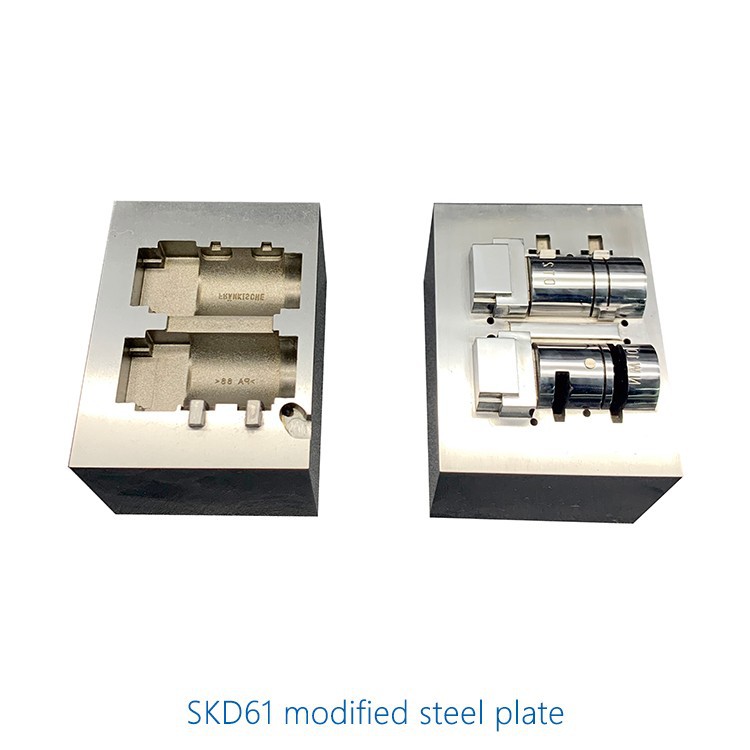
Die casting is another popular molding process, particularly for metal parts. It involves forcing molten metal into a die cavity at high pressure. The Die Steel used for the die plays a crucial role in determining the surface finish and dimensional accuracy of the cast part. A high-quality die steel with good heat resistance and wear resistance can produce parts with a smooth, uniform surface and sharp edges.
Machining
Machining is often used in conjunction with molding to achieve the desired shape and surface finish of engineering parts. Processes such as milling, turning, and grinding can be used to remove excess material, create precise features, and improve the surface quality of the part. The choice of cutting tools, machining parameters, and coolant can all affect the appearance of the machined surface.
Surface Treatment
Surface treatment is an important step in enhancing the appearance and performance of engineering molded parts. It can improve the part's corrosion resistance, wear resistance, and aesthetic appeal.
Coating
Coating is a common surface treatment method that involves applying a thin layer of material to the surface of the part. This can be done through processes such as painting, powder coating, electroplating, or physical vapor deposition (PVD). Coatings can provide a variety of colors, finishes, and textures, allowing for greater customization of the part's appearance.
Polishing
Polishing is a mechanical process that involves rubbing the surface of the part with an abrasive material to remove surface imperfections and create a smooth, shiny finish. It can be used to enhance the appearance of both metal and plastic parts. Different polishing techniques, such as buffing, grinding, and lapping, can be used depending on the material and the desired level of finish.
Texturing
Texturing is a process that involves creating a pattern or texture on the surface of the part. This can be done through processes such as embossing, etching, or laser engraving. Texturing can add visual interest and grip to the part, as well as improve its functionality in certain applications.
Design Considerations
The design of the engineering molded part can also have a significant impact on its appearance. Factors such as part geometry, wall thickness, and draft angle can all affect the molding process and the final look of the part.
Part Geometry
Complex part geometries can pose challenges during the molding process, leading to potential defects such as warping, sink marks, and flow lines. Designing parts with simple, streamlined geometries can help ensure a more consistent and aesthetically pleasing appearance.
Wall Thickness
Uniform wall thickness is essential for achieving a high-quality molded part. Variations in wall thickness can cause uneven cooling and shrinkage, resulting in defects such as sink marks and warping. Designing parts with consistent wall thickness can help minimize these issues and improve the overall appearance of the part.
Draft Angle
Draft angle is the angle at which the walls of the mold are tapered to allow for easy ejection of the part. A proper draft angle is necessary to prevent the part from sticking to the mold and to ensure a smooth surface finish. Insufficient draft angle can result in damage to the part during ejection, while excessive draft angle can affect the part's dimensional accuracy and appearance.
Environmental Factors
Environmental factors such as temperature, humidity, and exposure to chemicals can also affect the appearance of engineering molded parts over time.
Temperature
Extreme temperatures can cause the material to expand or contract, leading to dimensional changes and potential warping of the part. High temperatures can also cause the material to degrade, resulting in discoloration and loss of mechanical properties.

Humidity
Humidity can cause corrosion and rusting of metal parts, as well as swelling and warping of plastic parts. Proper storage and handling of parts in a controlled environment can help minimize the effects of humidity on their appearance.

Chemical Exposure
Exposure to chemicals can cause damage to the surface of the part, resulting in discoloration, etching, and loss of adhesion of coatings. It's important to choose materials and coatings that are resistant to the specific chemicals the part will be exposed to in its intended application.
Conclusion
In conclusion, the appearance of engineering molded parts is influenced by a variety of factors, including material selection, molding process, surface treatment, design considerations, and environmental factors. As an engineering molding supplier, I understand the importance of these factors and work closely with my customers to ensure that their parts meet their specific aesthetic and functional requirements.
If you're in the market for high-quality engineering molded parts, I invite you to contact me to discuss your project. I have the expertise and experience to help you choose the right materials, molding processes, and surface treatments to achieve the desired appearance and performance for your parts. Let's work together to bring your ideas to life!
References
- Callister, W. D., & Rethwisch, D. G. (2018). Materials Science and Engineering: An Introduction. Wiley.
- Campbell, J. (2003). Castings. Butterworth-Heinemann.
- Throne, J. L. (2013). Plastics Processing: Modeling and Simulation. Carl Hanser Verlag.