

As a supplier specializing in speciality metals processing, I've witnessed firsthand the unique demands and distinctions between catering to the food and beverage industry and the chemical industry. Each sector has its own set of requirements, regulations, and performance expectations when it comes to speciality metals. In this blog, I'll delve into the key differences in processing speciality metals for these two vital industries.
Material Selection
Food and Beverage Industry
In the food and beverage industry, the primary concern is ensuring the safety and purity of the products. Therefore, the selection of speciality metals is heavily influenced by their resistance to corrosion and their non - reactivity with food substances. Stainless steel is one of the most commonly used materials in this industry. Its high chromium content forms a passive oxide layer on the surface, which protects the metal from corrosion and prevents the leaching of harmful substances into the food. For example, 304 and 316 stainless steels are widely used in food processing equipment, storage tanks, and piping systems.
Another important material is Copper Alloy Class. Copper alloys, such as brass and bronze, have excellent thermal conductivity, which makes them suitable for applications like heat exchangers in breweries and dairy processing plants. However, the use of copper alloys must be carefully regulated to prevent copper ions from leaching into the food, as excessive copper intake can be harmful to human health.
Chemical Industry
The chemical industry deals with a wide range of corrosive substances, including acids, bases, and solvents. As a result, the material selection for this industry focuses on high - performance alloys that can withstand extreme chemical environments. Nickel - based alloys, such as Hastelloy and Inconel, are commonly used due to their exceptional corrosion resistance in both oxidizing and reducing environments. These alloys can handle highly concentrated acids, such as sulfuric acid and hydrochloric acid, which are commonly used in chemical manufacturing processes.
Carbon Steel Alloy is also used in the chemical industry, especially for applications where the corrosive environment is less severe. However, carbon steel often requires protective coatings or linings to prevent corrosion. For example, carbon steel tanks used to store mild chemicals may be lined with rubber or epoxy to enhance their corrosion resistance.
Processing Techniques
Food and Beverage Industry
When processing speciality metals for the food and beverage industry, maintaining a smooth and clean surface finish is crucial. This is because rough surfaces can harbor bacteria and other contaminants, which can pose a risk to food safety. Machining processes, such as grinding and polishing, are often used to achieve a smooth surface finish. Electro - polishing is a popular technique in this industry, as it not only improves the surface finish but also enhances the corrosion resistance of the metal by removing surface impurities.
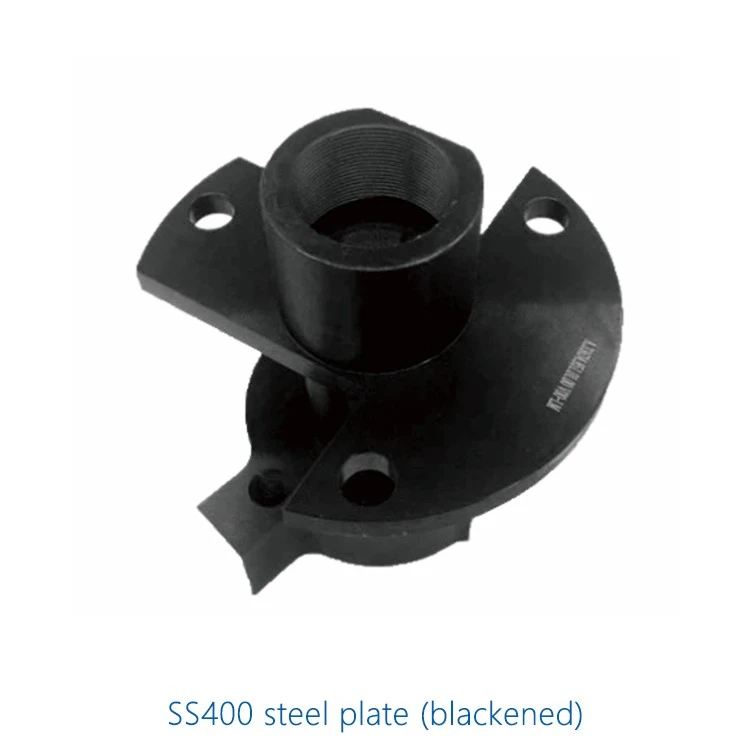

Welding is another important processing technique in the food and beverage industry. However, the welding process must be carefully controlled to avoid the formation of weld defects, such as porosity and cracks, which can also provide a breeding ground for bacteria. Tungsten Inert Gas (TIG) welding is commonly used for stainless steel components in food processing equipment, as it produces high - quality welds with minimal heat - affected zones.
Chemical Industry
In the chemical industry, processing techniques are often focused on enhancing the corrosion resistance and mechanical properties of the metals. Heat treatment is a critical process for many high - performance alloys used in this industry. For example, annealing can be used to relieve internal stresses in the metal and improve its ductility, while quenching and tempering can increase the hardness and strength of the alloy.
Fabrication processes for the chemical industry may also involve complex forming operations, such as rolling, forging, and extrusion. These processes are used to produce components with specific shapes and dimensions required for chemical processing equipment, such as pipes, valves, and reactors. However, these forming operations must be carefully planned to ensure that the mechanical properties of the metal are not compromised.
Quality Control and Certification
Food and Beverage Industry
The food and beverage industry is subject to strict quality control and regulatory requirements. All speciality metal components used in this industry must comply with food safety standards, such as the Food and Drug Administration (FDA) regulations in the United States. These regulations specify the allowable levels of contaminants and the materials that can be used in contact with food.
Quality control measures in this industry include non - destructive testing (NDT) methods, such as ultrasonic testing and magnetic particle testing, to detect any internal defects in the metal components. Visual inspection is also carried out to ensure that the surface finish meets the required standards. Additionally, all processed components must be properly labeled and traceable to ensure product accountability.
Chemical Industry
The chemical industry also has its own set of quality control and certification requirements. Components used in chemical processing equipment must be able to withstand the harsh chemical environments and operate safely under high pressures and temperatures. Standards such as the American Society of Mechanical Engineers (ASME) Boiler and Pressure Vessel Code are commonly used to ensure the safety and reliability of these components.
In addition to mechanical testing, chemical analysis is also an important part of quality control in the chemical industry. This is to ensure that the chemical composition of the alloy meets the specified requirements and that there are no impurities that could affect the performance of the component in the chemical environment.
Regulatory Compliance
Food and Beverage Industry
Regulatory compliance in the food and beverage industry is driven by food safety concerns. In addition to the FDA regulations mentioned earlier, there are also international standards, such as the International Organization for Standardization (ISO) 22000, which provides a framework for food safety management systems. Any speciality metal processing supplier serving this industry must ensure that their products meet these standards to avoid legal issues and protect the reputation of their customers.
Chemical Industry
The chemical industry is regulated by a variety of government agencies, including the Environmental Protection Agency (EPA) and the Occupational Safety and Health Administration (OSHA). These agencies set regulations regarding the handling, storage, and disposal of chemicals, as well as the safety of chemical processing equipment. Suppliers of speciality metals for this industry must ensure that their products comply with these regulations to prevent environmental pollution and protect the health and safety of workers.
Conclusion
In conclusion, there are significant differences in processing speciality metals for the food and beverage and chemical industries. These differences stem from the unique requirements of each industry, including material selection, processing techniques, quality control, and regulatory compliance. As a speciality metals processing supplier, it is essential to understand these differences and tailor our services to meet the specific needs of each industry.
If you are in the food and beverage or chemical industry and are looking for a reliable speciality metals processing supplier, we would be delighted to discuss your requirements. Our team of experts has extensive experience in processing a wide range of speciality metals and can provide you with high - quality products that meet your industry's standards. Contact us today to start a conversation about your procurement needs.
References
- ASME Boiler and Pressure Vessel Code
- Food and Drug Administration (FDA) regulations
- International Organization for Standardization (ISO) 22000
- Environmental Protection Agency (EPA) regulations
- Occupational Safety and Health Administration (OSHA) regulations