

What are the differences between processing austenitic - ferritic duplex stainless steel and other types?
As a seasoned supplier in the stainless steel processing industry, I've witnessed firsthand the unique characteristics and challenges that come with working on different types of stainless steel. One of the most interesting materials I've dealt with is austenitic - ferritic duplex stainless steel. In this blog post, I'll explore the differences between processing this type of stainless steel and other common types, highlighting the key aspects that set it apart.
1. Composition and Microstructure
Austenitic - ferritic duplex stainless steel is a special type of stainless steel that combines the best of both austenitic and ferritic microstructures. Typically, it contains around 40 - 60% ferrite and the rest austenite. This dual - phase structure gives it a unique set of properties.
In contrast, austenitic stainless steels, such as the popular 304 and 316 grades, have a predominantly austenitic microstructure. They are known for their excellent corrosion resistance, high ductility, and good formability. Ferritic stainless steels, on the other hand, have a ferritic microstructure and are characterized by their lower cost, good resistance to stress - corrosion cracking, but relatively lower toughness compared to austenitic steels.
The dual - phase nature of duplex stainless steel means that during processing, we need to pay close attention to maintaining the balance between the two phases. For example, during heat treatment, improper heating or cooling rates can lead to an imbalance in the phase ratio, which can significantly affect the mechanical and corrosion - resistant properties of the final product.
2. Mechanical Properties
Duplex stainless steel offers a remarkable combination of high strength and good toughness. Its yield strength is typically two times higher than that of austenitic stainless steels. This high strength allows for the use of thinner sections in applications, which can result in cost savings and weight reduction.
When it comes to processing, the high strength of duplex stainless steel can pose challenges. For instance, during machining operations like turning, milling, or drilling, higher cutting forces are required compared to austenitic stainless steels. This means that we need to use more powerful machining equipment and appropriate cutting tools. Carbide - tipped tools are often preferred for machining duplex stainless steel to withstand the high cutting forces and maintain a good surface finish.
In contrast, austenitic stainless steels are more ductile and easier to form. They can be easily bent, deep - drawn, and welded without significant loss of properties. Ferritic stainless steels, while having lower strength than duplex stainless steels, are also relatively easy to machine, but they are more prone to edge cracking during forming operations.
3. Corrosion Resistance
One of the main advantages of duplex stainless steel is its excellent corrosion resistance, especially in chloride - containing environments. It has a much higher resistance to pitting and crevice corrosion compared to austenitic stainless steels of similar alloy content. This makes it an ideal choice for applications in the marine, chemical, and oil - and - gas industries.
During processing, the corrosion resistance of duplex stainless steel can be affected by factors such as surface finish and heat - affected zone (HAZ) properties during welding. A smooth surface finish can enhance the corrosion resistance of the material. When welding duplex stainless steel, special care must be taken to control the welding parameters to avoid the formation of harmful phases in the HAZ, which can reduce the corrosion resistance.
Austenitic stainless steels also have good corrosion resistance, but they are more susceptible to pitting and crevice corrosion in chloride - rich environments. Ferritic stainless steels have good resistance to stress - corrosion cracking but are less resistant to general corrosion compared to austenitic and duplex stainless steels.
4. Welding
Welding is a critical process in stainless steel processing. Duplex stainless steel requires special welding techniques and filler materials. Due to its dual - phase microstructure, improper welding can lead to the formation of harmful phases such as sigma phase, which can reduce the corrosion resistance and toughness of the welded joint.
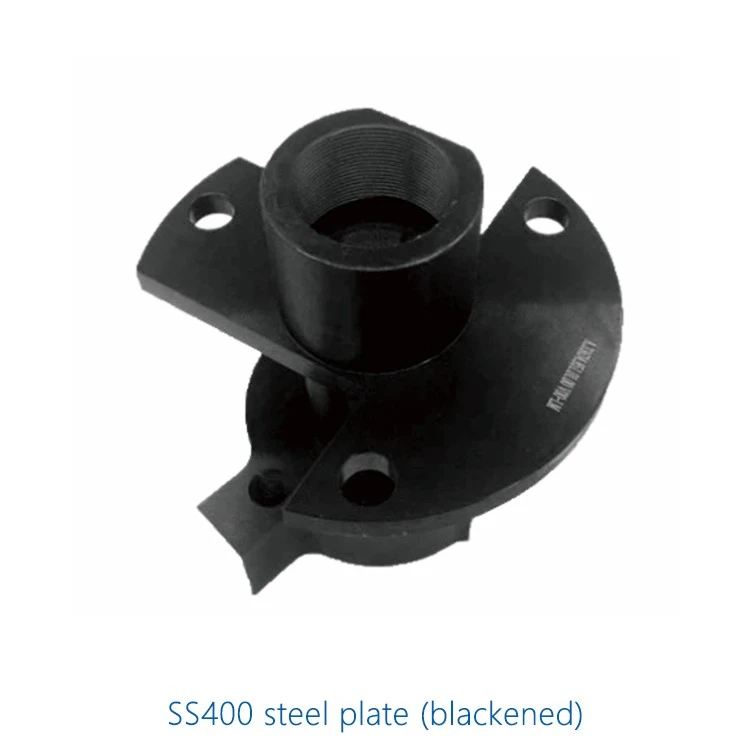

We usually use gas tungsten arc welding (GTAW) or gas metal arc welding (GMAW) with appropriate duplex - grade filler materials. Pre - heating and post - weld heat treatment are often required to ensure the proper balance of phases in the welded joint.
In comparison, austenitic stainless steels are relatively easy to weld. They can be welded using a variety of welding processes, including shielded metal arc welding (SMAW), GTAW, and GMAW. The use of austenitic - grade filler materials is common, and post - weld heat treatment is not always necessary for many applications. Ferritic stainless steels can also be welded, but they are more prone to grain growth in the HAZ, which can reduce the toughness of the welded joint.
5. Weldability and Formability
As mentioned earlier, the formability of duplex stainless steel is not as good as that of austenitic stainless steels. The high strength and lower ductility of duplex stainless steel mean that it requires more force during forming operations. Special forming techniques, such as pre - bending or using progressive dies, may be necessary to achieve the desired shape without cracking.
When it comes to weldability, while duplex stainless steel can be welded, it requires more skill and attention to detail compared to austenitic and ferritic stainless steels. The risk of phase transformation and the formation of brittle phases during welding makes it essential to have strict control over the welding process.
Austenitic stainless steels are well - known for their excellent formability and weldability. They can be easily formed into complex shapes and welded using standard welding procedures. Ferritic stainless steels have moderate formability and weldability, but they require careful control of the welding parameters to avoid issues such as grain growth and loss of toughness.
6. Cost Considerations
The cost of duplex stainless steel is generally higher than that of ferritic stainless steels but lower than some high - alloy austenitic stainless steels. The higher cost is mainly due to the more complex alloy composition and the additional processing steps required to maintain its unique properties.
However, the high strength and excellent corrosion resistance of duplex stainless steel can result in long - term cost savings. For example, in applications where a long service life is required, the use of duplex stainless steel can reduce the need for frequent replacements and maintenance.
When comparing the processing costs, as mentioned earlier, the high strength of duplex stainless steel means that more powerful equipment and specialized tools are needed for machining and forming operations. This can increase the processing cost compared to austenitic stainless steels.
7. Applications
Duplex stainless steel is widely used in various industries due to its unique combination of properties. In the oil and gas industry, it is used for pipelines, offshore platforms, and subsea equipment due to its high strength and excellent corrosion resistance in harsh environments. In the chemical industry, it is used for storage tanks, reactors, and piping systems.
Austenitic stainless steels are commonly used in food processing equipment, kitchenware, and architectural applications due to their good formability, corrosion resistance, and aesthetic appeal. Ferritic stainless steels are often used in automotive exhaust systems, appliances, and some structural applications where cost is a major consideration.
8. Processing Techniques for Different Stainless Steels
For austenitic stainless steels, common processing techniques include cold forming, hot forming, and welding. Cold forming processes such as bending, rolling, and stamping are widely used to produce various shapes. Hot forming is used for more complex shapes or when higher formability is required. Welding is usually straightforward, and a variety of welding methods can be employed.
Ferritic stainless steels are often processed using similar techniques as austenitic stainless steels, but care must be taken during forming to avoid edge cracking. Welding of ferritic stainless steels requires proper control of the heat input to prevent grain growth.
When it comes to duplex stainless steel, in addition to the above - mentioned machining and welding challenges, we also need to pay attention to other processing steps. For example, during hot rolling, the temperature range needs to be carefully controlled to ensure proper deformation and maintain the phase balance. Cold rolling of duplex stainless steel also requires special considerations to avoid surface defects and maintain the mechanical properties.
9. Related Processing Links
If you are interested in other types of metal processing, you can check out our Processing Of Engineering Plastics and Aluminum Alloy Processing services. We also offer Carbon Steel Alloy processing for various applications.
10. Conclusion and Call to Action
In conclusion, processing austenitic - ferritic duplex stainless steel is different from processing other types of stainless steels in many aspects, including composition, mechanical properties, corrosion resistance, and processing techniques. At our company, we have the expertise and experience to handle the unique challenges of processing duplex stainless steel and other types of stainless steels.
If you are in need of high - quality stainless steel processing services, whether it's duplex stainless steel, austenitic stainless steel, or ferritic stainless steel, we are here to help. Our team of experts can work with you to understand your specific requirements and provide customized solutions. Contact us today to start a discussion about your project and explore how we can meet your stainless steel processing needs.
References
- ASM Handbook, Volume 13A: Corrosion, ASM International
- Stainless Steel: A Guide to Selection and Application, The Nickel Institute
- Duplex Stainless Steels: Properties, Processing and Applications, K. J. Irvine