

Hey there! As a supplier of hard die steel, I've been getting a ton of questions lately about how to improve the wear resistance of this crucial material. Well, you've come to the right place. In this blog, I'm gonna share some practical tips and insights that can help you get the most out of your hard die steel and make it last longer in tough working conditions.
First off, let's understand why wear resistance is so important. Hard die steel is used in a wide range of applications, from manufacturing automotive parts to producing consumer goods. In these applications, the die steel is constantly in contact with other materials, which can cause wear and tear over time. If the wear resistance isn't up to par, the die steel will need to be replaced more frequently, leading to increased costs and downtime. So, improving wear resistance is not just about making the material last longer; it's also about saving money and keeping your production running smoothly.
Material Selection
One of the most important factors in improving wear resistance is choosing the right type of hard die steel. There are several different grades of hard die steel available, each with its own unique properties and characteristics. When selecting a grade, you need to consider the specific requirements of your application, such as the type of material being processed, the operating temperature, and the level of stress and pressure.
For example, if you're working with high-strength materials like stainless steel or titanium, you'll need a hard die steel with high hardness and toughness. On the other hand, if you're processing softer materials like aluminum or plastics, you can get away with a lower-grade steel. It's also important to consider the heat treatment process that the steel will undergo, as this can have a significant impact on its wear resistance.
Some of the most common grades of hard die steel include D2, H13, and A2. D2 is a high-carbon, high-chromium steel that offers excellent wear resistance and hardness. It's often used in applications where high precision and long tool life are required, such as stamping dies and cold-forming tools. H13 is a hot-work tool steel that is known for its good toughness and thermal fatigue resistance. It's commonly used in applications where the die steel is exposed to high temperatures and repeated thermal cycling, such as die-casting dies and forging dies. A2 is a medium-carbon, air-hardening steel that offers a good balance of wear resistance, toughness, and machinability. It's often used in applications where a combination of high strength and good formability is required, such as punches and dies for sheet metal forming.
Heat Treatment
Another key factor in improving wear resistance is proper heat treatment. Heat treatment is a process that involves heating and cooling the hard die steel to alter its microstructure and properties. By carefully controlling the heat treatment process, you can increase the hardness, toughness, and wear resistance of the steel.
The most common heat treatment processes for hard die steel include quenching and tempering. Quenching involves heating the steel to a high temperature and then rapidly cooling it in a quenching medium, such as oil or water. This process hardens the steel by forming a martensitic microstructure. Tempering is then performed to relieve the internal stresses and improve the toughness of the steel. During tempering, the steel is heated to a lower temperature and held for a specific period of time before being cooled.
It's important to note that the heat treatment process can have a significant impact on the wear resistance of the hard die steel. If the steel is over-quenched or under-tempered, it can become brittle and prone to cracking. On the other hand, if the steel is not quenched or tempered properly, it may not achieve the desired level of hardness and wear resistance. Therefore, it's crucial to work with a reputable heat treatment provider who has the experience and expertise to perform the heat treatment process correctly.
Surface Treatment
In addition to material selection and heat treatment, surface treatment can also play a significant role in improving the wear resistance of hard die steel. Surface treatment involves applying a thin layer of material to the surface of the die steel to enhance its properties. There are several different surface treatment processes available, each with its own unique advantages and disadvantages.
One of the most common surface treatment processes for hard die steel is nitriding. Nitriding involves introducing nitrogen into the surface of the steel to form a hard nitride layer. This layer provides excellent wear resistance, corrosion resistance, and fatigue resistance. Another popular surface treatment process is coating. Coating involves applying a thin layer of material, such as titanium nitride (TiN) or titanium carbonitride (TiCN), to the surface of the die steel. These coatings can provide a hard, wear-resistant surface that reduces friction and improves the overall performance of the die steel.
Other surface treatment processes that can be used to improve the wear resistance of hard die steel include shot peening, laser hardening, and chemical vapor deposition (CVD). Shot peening involves bombarding the surface of the steel with small metal shots to create a compressive stress layer. This layer can improve the fatigue resistance and wear resistance of the steel. Laser hardening involves using a laser to heat and harden the surface of the steel. This process can provide a precise and controlled hardening effect. CVD involves depositing a thin layer of material on the surface of the steel using a chemical reaction. This process can provide a high-quality, uniform coating that offers excellent wear resistance and corrosion resistance.
Maintenance and Care
Finally, proper maintenance and care are essential for improving the wear resistance of hard die steel. Regular cleaning and lubrication can help to remove dirt, debris, and contaminants from the surface of the die steel, which can reduce friction and wear. It's also important to inspect the die steel regularly for signs of wear, damage, or cracking. If any issues are detected, they should be addressed immediately to prevent further damage and ensure the continued performance of the die steel.
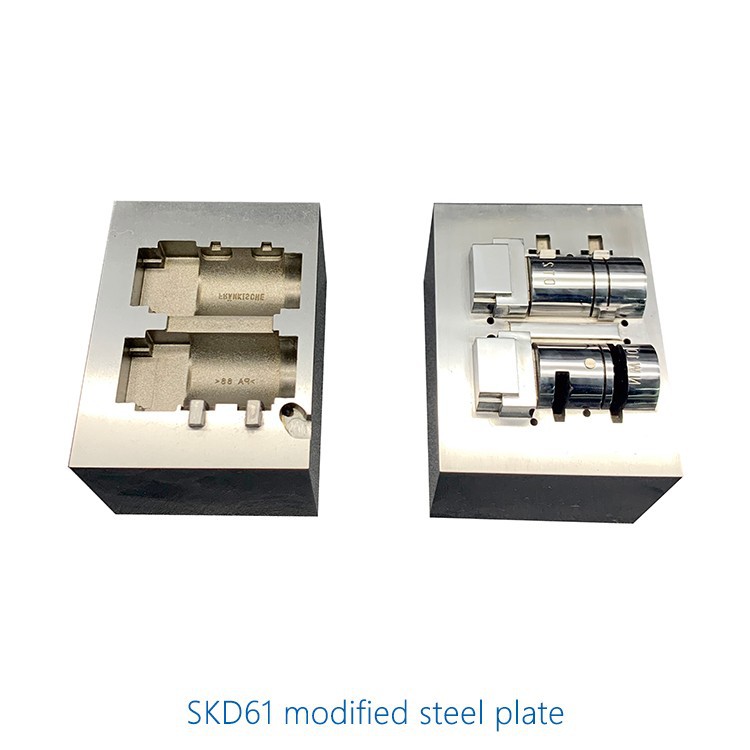

In addition to regular cleaning and inspection, it's also important to store the die steel properly when it's not in use. The die steel should be stored in a dry, clean environment to prevent rust and corrosion. It's also a good idea to cover the die steel with a protective coating or wrapping to prevent damage during storage and transportation.
Conclusion
Improving the wear resistance of hard die steel is a complex process that requires careful consideration of several factors, including material selection, heat treatment, surface treatment, and maintenance and care. By following the tips and insights outlined in this blog, you can take steps to improve the wear resistance of your hard die steel and ensure its long-term performance and reliability.
If you're interested in learning more about hard die steel or need help selecting the right grade for your application, please don't hesitate to [contact us for procurement and negotiation]. We're a leading supplier of hard die steel, and we have the expertise and experience to help you find the right solution for your needs.
References
- Campbell, J. (2003). Castings. Butterworth-Heinemann.
- Kalpakjian, S., & Schmid, S. R. (2009). Manufacturing Engineering and Technology. Pearson Prentice Hall.
- Totten, G. E., & MacKenzie, D. E. (2004). Handbook of Tool and Die Steels. CRC Press.