

In the manufacturing industry, the surface finish of hard die steel parts is of paramount importance. It not only affects the aesthetic appearance of the parts but also has a significant impact on their functionality, durability, and performance. As a hard die steel supplier, I understand the challenges and requirements associated with achieving an excellent surface finish. In this blog post, I will share some practical tips and strategies on how to improve the surface finish of hard die steel parts.

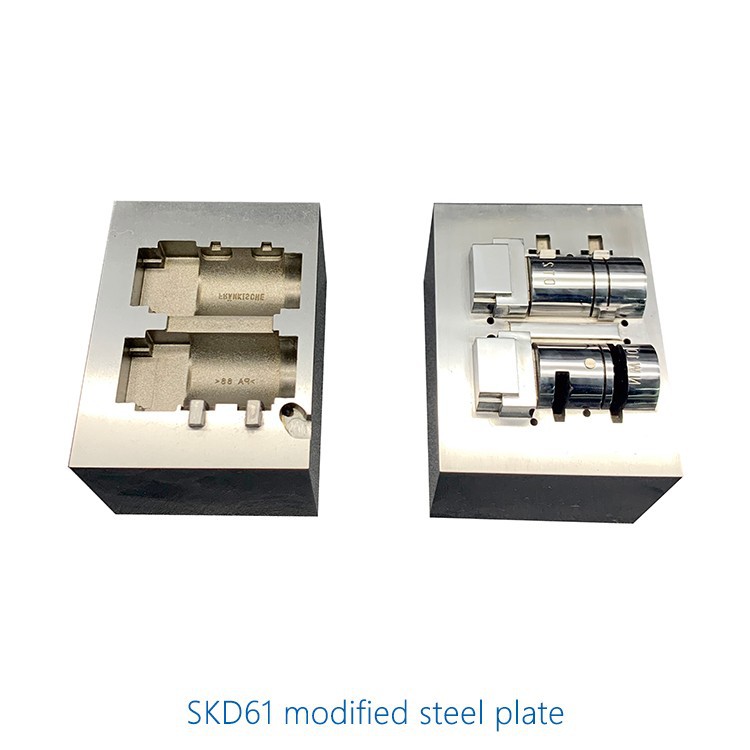
Understanding the Importance of Surface Finish
Before delving into the methods of improving surface finish, it is essential to understand why it matters. A high-quality surface finish can enhance the corrosion resistance of hard die steel parts, reducing the risk of rust and other forms of degradation. It can also improve the wear resistance, allowing the parts to withstand repeated use and friction without significant damage. Moreover, a smooth surface finish can reduce friction, which is crucial in applications where parts need to move smoothly against each other, such as in molds and dies.
In addition to functional benefits, a good surface finish can also enhance the aesthetic appeal of the parts. This is particularly important in industries where the appearance of the final product matters, such as automotive and consumer electronics.
Selecting the Right Hard Die Steel
The choice of hard die steel plays a vital role in achieving a good surface finish. Different types of die steel have different properties, including hardness, machinability, and corrosion resistance. When selecting the steel, it is important to consider the specific requirements of the application. For example, if the part will be exposed to high temperatures, a steel with good heat resistance should be chosen.
As a hard die steel supplier, I offer a wide range of Die Steel grades to meet various needs. Our experts can help you select the most suitable steel based on your application requirements, ensuring that you start with the right material for achieving an excellent surface finish.
Proper Heat Treatment
Heat treatment is a critical step in the manufacturing process of hard die steel parts. It can significantly affect the hardness, toughness, and microstructure of the steel, which in turn influence the surface finish. Proper heat treatment can help to reduce internal stresses, improve the homogeneity of the material, and enhance its machinability.
There are several heat treatment processes available, including annealing, quenching, and tempering. The choice of process depends on the type of steel and the desired properties of the part. For example, annealing can be used to soften the steel and improve its machinability, while quenching and tempering can increase the hardness and toughness of the steel.
It is important to follow the recommended heat treatment procedures carefully to ensure consistent and high-quality results. Our company has extensive experience in heat treatment and can provide professional guidance and services to ensure that your hard die steel parts are heat-treated correctly.
Machining Techniques
The machining process is another key factor in determining the surface finish of hard die steel parts. The choice of machining method, cutting tools, and machining parameters can all have a significant impact on the surface quality.
Choosing the Right Machining Method
There are several machining methods available for hard die steel parts, including milling, turning, grinding, and electrical discharge machining (EDM). Each method has its own advantages and disadvantages, and the choice depends on the specific requirements of the part.
- Milling: Milling is a common machining method used for producing complex shapes and features. It can provide a relatively good surface finish, especially when using high-speed milling techniques.
- Turning: Turning is suitable for producing cylindrical parts. It can achieve a smooth surface finish, but the quality may be affected by factors such as the cutting speed, feed rate, and depth of cut.
- Grinding: Grinding is a precision machining method that can produce a very smooth surface finish. It is often used for finishing operations to achieve the desired surface roughness.
- Electrical Discharge Machining (EDM): EDM is a non-traditional machining method that uses electrical discharges to remove material. It is suitable for machining hard and difficult-to-machine materials, and can achieve a good surface finish.
Selecting the Appropriate Cutting Tools
The choice of cutting tools is crucial for achieving a good surface finish. High-quality cutting tools with sharp edges and appropriate geometries can reduce cutting forces, minimize tool wear, and improve the surface quality. When selecting cutting tools, it is important to consider the type of steel, the machining method, and the desired surface finish.
For example, carbide cutting tools are often used for machining hard die steel due to their high hardness and wear resistance. Coated cutting tools can further improve the performance and lifespan of the tools.
Optimizing Machining Parameters
The machining parameters, such as cutting speed, feed rate, and depth of cut, also need to be optimized to achieve the best surface finish. These parameters should be adjusted based on the type of steel, the cutting tools, and the machining method.
In general, a higher cutting speed and a lower feed rate can result in a better surface finish. However, it is important to find the right balance to avoid excessive tool wear and machining time. Our company can provide technical support and advice on optimizing the machining parameters to ensure the best results.
Polishing and Finishing Processes
After machining, polishing and finishing processes can be used to further improve the surface finish of hard die steel parts. Polishing can remove surface imperfections, such as scratches and tool marks, and create a smooth and shiny surface.
There are several polishing methods available, including mechanical polishing, chemical polishing, and electrochemical polishing. The choice of method depends on the type of steel, the desired surface finish, and the complexity of the part.
- Mechanical Polishing: Mechanical polishing uses abrasive materials, such as sandpaper and polishing wheels, to remove surface material and create a smooth surface. It is a common and effective method for improving the surface finish.
- Chemical Polishing: Chemical polishing uses chemical solutions to dissolve the surface material and create a smooth surface. It is suitable for parts with complex shapes and can achieve a high level of surface finish.
- Electrochemical Polishing: Electrochemical polishing uses an electric current and an electrolyte solution to remove surface material and create a smooth surface. It can provide a very high-quality surface finish and is often used for precision parts.
In addition to polishing, other finishing processes, such as plating and coating, can also be used to enhance the surface properties of hard die steel parts. For example, plating can improve the corrosion resistance and wear resistance of the parts, while coating can provide a decorative and protective layer.
Quality Control and Inspection
To ensure that the surface finish of hard die steel parts meets the required standards, it is important to implement a comprehensive quality control and inspection system. Quality control measures should be taken at every stage of the manufacturing process, from material selection to final finishing.
Inspection methods, such as surface roughness measurement, visual inspection, and non-destructive testing, can be used to evaluate the surface quality of the parts. Any defects or deviations from the specifications should be identified and corrected in a timely manner.
Our company has a strict quality control system in place to ensure that all our hard die steel parts meet the highest standards of quality. We use advanced inspection equipment and techniques to ensure the accuracy and reliability of our products.
Conclusion
Improving the surface finish of hard die steel parts requires a comprehensive approach that includes selecting the right steel, proper heat treatment, appropriate machining techniques, and effective polishing and finishing processes. By following these tips and strategies, you can achieve a high-quality surface finish that meets the requirements of your application.
As a hard die steel supplier, I am committed to providing high-quality products and professional services to help you achieve the best results. If you have any questions or need further information about improving the surface finish of hard die steel parts, or if you are interested in purchasing our Die Steel, Stainless Steel Processing, or Copper Alloy Class products, please feel free to contact us. We look forward to discussing your needs and providing you with the best solutions.
References
- Kalpakjian, S., & Schmid, S. R. (2008). Manufacturing Engineering and Technology. Pearson Prentice Hall.
- Groover, M. P. (2010). Fundamentals of Modern Manufacturing: Materials, Processes, and Systems. Wiley.
- ASM Handbook Committee. (2008). ASM Handbook Volume 4: Heat Treating. ASM International.