

As an injection molding engineer and supplier, I've had the privilege of working on numerous projects that involve the intricate design of gate systems in injection molds. The gate system is a critical component in the injection molding process, as it controls the flow of molten plastic into the mold cavity. A well-designed gate system can significantly enhance the quality of the molded parts, reduce production costs, and improve overall efficiency. In this blog post, I'll share some key considerations and best practices for designing gate systems in injection molds.
Understanding the Role of the Gate System
The primary function of the gate system is to introduce the molten plastic into the mold cavity in a controlled manner. It acts as a passageway that connects the sprue (the main channel through which the plastic enters the mold) to the cavity. The gate must be carefully designed to ensure that the plastic fills the cavity evenly, without causing any defects such as air traps, weld lines, or short shots.
There are several types of gates commonly used in injection molding, each with its own advantages and disadvantages. The choice of gate type depends on various factors, including the part geometry, material properties, production volume, and quality requirements. Some of the most common gate types include:
- Edge Gate: This is the simplest and most widely used gate type. It is located at the edge of the part and allows the plastic to flow directly into the cavity. Edge gates are easy to machine and can be used for a wide range of part sizes and shapes. However, they may leave a visible mark on the part surface, which can be a cosmetic issue in some applications.
- Submarine Gate: Also known as a tunnel gate, the submarine gate is located below the parting line of the mold. It uses a slanted channel to inject the plastic into the cavity at an angle, which helps to minimize the gate mark on the part surface. Submarine gates are commonly used for parts with a high cosmetic requirement, such as consumer products and automotive components.
- Pin Point Gate: This type of gate is very small in diameter (typically less than 1 mm) and is used to create a fine, controlled flow of plastic into the cavity. Pin point gates are ideal for parts with thin walls or complex geometries, as they can help to prevent over-packing and reduce the risk of warping. However, they require a high injection pressure and may be more difficult to machine.
- Hot Runner Gate: Unlike the other gate types, which use a cold runner system to transport the plastic from the injection unit to the cavity, hot runner gates use a heated manifold to keep the plastic molten throughout the entire process. This eliminates the need for a cold runner, which can reduce material waste and cycle time. Hot runner gates are commonly used for high-volume production applications, as they offer better control over the flow of plastic and can improve the quality of the molded parts.
Key Considerations in Gate System Design
When designing a gate system for an injection mold, there are several key considerations that must be taken into account to ensure optimal performance. These include:
- Part Geometry: The shape and size of the part will have a significant impact on the choice of gate type and location. For example, parts with thin walls or complex geometries may require a pin point gate or a hot runner gate to ensure proper filling. On the other hand, parts with a large surface area may benefit from an edge gate or a submarine gate to distribute the plastic evenly.
- Material Properties: Different plastics have different flow characteristics, which can affect the design of the gate system. For example, materials with a high viscosity may require a larger gate size or a higher injection pressure to ensure proper filling. Additionally, some materials may be more prone to degradation or thermal stress, which can affect the quality of the molded parts. It's important to choose a gate type and design that is compatible with the specific material being used.
- Production Volume: The production volume of the part will also influence the choice of gate system. For low-volume production, a simple gate type such as an edge gate or a pin point gate may be sufficient. However, for high-volume production, a hot runner gate system may be more cost-effective, as it can reduce material waste and cycle time.
- Quality Requirements: The quality requirements of the part, such as surface finish, dimensional accuracy, and mechanical properties, will also play a role in the design of the gate system. For example, parts with a high cosmetic requirement may require a gate type that leaves a minimal mark on the part surface, such as a submarine gate or a hot runner gate. Additionally, parts with strict dimensional tolerances may require a gate system that provides precise control over the flow of plastic.
Best Practices for Gate System Design
In addition to the key considerations mentioned above, there are several best practices that can help to ensure the successful design of a gate system in an injection mold. These include:
- Use Simulation Software: Simulation software can be a valuable tool for designing gate systems in injection molds. It allows you to predict the flow of plastic through the mold cavity and identify potential issues such as air traps, weld lines, and short shots. By using simulation software, you can optimize the gate location, size, and shape to ensure a uniform and efficient filling of the cavity.
- Consider the Gate Location Carefully: The location of the gate can have a significant impact on the quality of the molded parts. It's important to choose a gate location that allows the plastic to flow evenly into the cavity and avoids any areas of high stress or potential defects. Additionally, the gate location should be easily accessible for machining and maintenance.
- Optimize the Gate Size and Shape: The size and shape of the gate will affect the flow rate and pressure of the plastic as it enters the cavity. It's important to choose a gate size and shape that is appropriate for the specific part geometry and material properties. A gate that is too small may result in a slow filling rate and a high injection pressure, while a gate that is too large may cause over-packing and flash.
- Use a Balanced Runner System: A balanced runner system is essential for ensuring a uniform flow of plastic through the mold cavity. It helps to distribute the plastic evenly to all the gates and minimizes the pressure drop between the gates. A balanced runner system can be achieved by using a symmetrical layout and equalizing the length and diameter of the runner channels.
- Consider the Ejection Process: The gate system should be designed in such a way that it does not interfere with the ejection process of the molded parts. It's important to ensure that the gate can be easily separated from the part without causing any damage or deformation. Additionally, the gate system should not leave any sharp edges or burrs on the part surface, which can be a safety hazard.
Material Selection for Gate Systems
The material used for the gate system is also an important consideration. The gate system must be able to withstand the high temperatures and pressures generated during the injection molding process, as well as the wear and tear caused by the flow of molten plastic. Some of the commonly used materials for gate systems include:

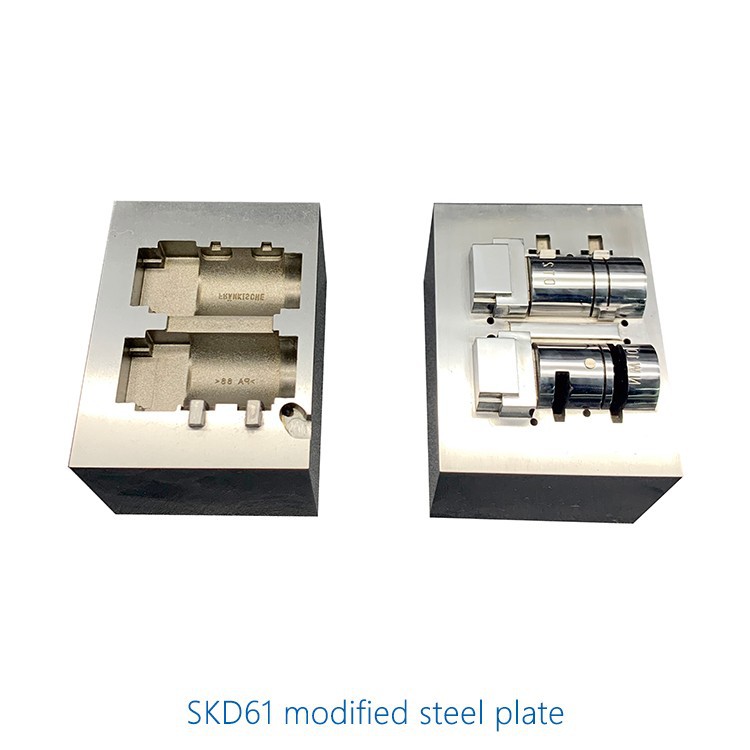
- Die Steel: Die steel is a popular choice for gate systems due to its high strength, hardness, and wear resistance. It can withstand the high temperatures and pressures generated during the injection molding process and is suitable for a wide range of plastic materials.
- Stainless Steel Processing: Stainless steel is another commonly used material for gate systems. It offers good corrosion resistance and is suitable for applications where the gate system may come into contact with corrosive plastics or chemicals.
- Copper Alloy Class: Copper alloys are known for their excellent thermal conductivity, which can help to improve the cooling efficiency of the gate system. They are commonly used in hot runner systems, where rapid cooling is required to prevent the plastic from solidifying in the runner channels.
Conclusion
Designing a gate system in an injection mold is a complex process that requires careful consideration of various factors, including part geometry, material properties, production volume, and quality requirements. By following the best practices outlined in this blog post and using the right tools and materials, you can design a gate system that will help to ensure a high-quality and efficient injection molding process.
If you're in the market for an injection molding solution and need assistance with designing a gate system for your mold, I'd be happy to help. As an experienced injection molding engineer and supplier, I have the expertise and resources to provide you with a customized solution that meets your specific needs. Please feel free to contact me to discuss your project requirements and get a quote.
References
- Throne, J. L. (2009). Plastics Processing: Modeling and Simulation. Hanser Publishers.
- Rosato, D. V., & Rosato, D. P. (2004). Injection Molding Handbook. Hanser Publishers.
- Beaumont, J. P. (2003). Runner and Gating Design Handbook. Hanser Publishers.