

How to Cut 6061 Aluminum with a High - Precision Result
As a supplier specializing in cutting 6061 aluminum, I've witnessed firsthand the importance of achieving high - precision results in aluminum cutting. 6061 aluminum is a widely used alloy due to its excellent combination of strength, corrosion resistance, and machinability. Whether you're working on a small - scale project or a large - scale industrial application, the quality of the cut can significantly impact the final product. In this blog, I'll share some key strategies and techniques to help you cut 6061 aluminum with a high - precision result.
Understanding 6061 Aluminum
Before diving into the cutting process, it's crucial to understand the properties of 6061 aluminum. This alloy is composed of magnesium and silicon as its major alloying elements. It has a relatively high strength - to - weight ratio, which makes it suitable for a variety of applications, including aerospace, automotive, and consumer electronics.
The temper of the 6061 aluminum also plays a vital role in the cutting process. Common tempers include T4 and T6. T4 - tempered 6061 aluminum is solution - heat - treated and naturally aged, resulting in a softer material that is easier to cut. On the other hand, T6 - tempered 6061 aluminum is solution - heat - treated and artificially aged, making it harder and stronger but also more challenging to cut precisely.
Choosing the Right Cutting Tools
Selecting the appropriate cutting tools is the first step towards achieving high - precision results. For 6061 aluminum, carbide - tipped tools are often the preferred choice. Carbide is extremely hard and wear - resistant, which allows for clean cuts and longer tool life.
End mills are commonly used for milling operations on 6061 aluminum. When choosing an end mill, consider the number of flutes. Two - flute end mills are ideal for roughing operations as they can remove material quickly. Four - flute end mills, on the other hand, are better for finishing operations as they provide a smoother surface finish.
For turning operations, insert turning tools with carbide inserts are recommended. These tools can be easily replaced when worn, ensuring consistent cutting performance. Additionally, make sure the cutting tools have sharp edges. Dull tools can cause rough cuts, burrs, and even damage to the workpiece.
Optimizing Cutting Parameters
Cutting parameters such as cutting speed, feed rate, and depth of cut have a significant impact on the precision of the cut. The cutting speed is the speed at which the cutting tool moves relative to the workpiece. For 6061 aluminum, a higher cutting speed generally results in a better surface finish. However, if the cutting speed is too high, it can cause excessive tool wear and heat generation.
The feed rate is the rate at which the workpiece moves relative to the cutting tool. A proper feed rate is essential for achieving a smooth cut. If the feed rate is too low, it can lead to a slow cutting process and poor chip evacuation. If the feed rate is too high, it can cause the cutting tool to break or produce a rough surface finish.
The depth of cut refers to the thickness of the material removed in a single pass. A smaller depth of cut is usually recommended for high - precision cutting. It allows for better control over the cutting process and reduces the risk of tool deflection.
Implementing Proper Chip Management
Effective chip management is crucial when cutting 6061 aluminum. Aluminum chips can be stringy and tend to stick to the cutting tool, which can affect the cutting performance and the quality of the cut. To prevent chip buildup, use a coolant or lubricant during the cutting process. Coolants not only help in chip evacuation but also reduce heat generation and extend the tool life.
There are different types of coolants available, such as water - soluble coolants and straight oils. Water - soluble coolants are more commonly used due to their cost - effectiveness and environmental friendliness. They can be easily mixed with water and provide good cooling and lubrication properties.
In addition to using coolants, proper chip evacuation methods should be employed. This can include using chip breakers on the cutting tools or using a chip conveyor to remove the chips from the cutting area.
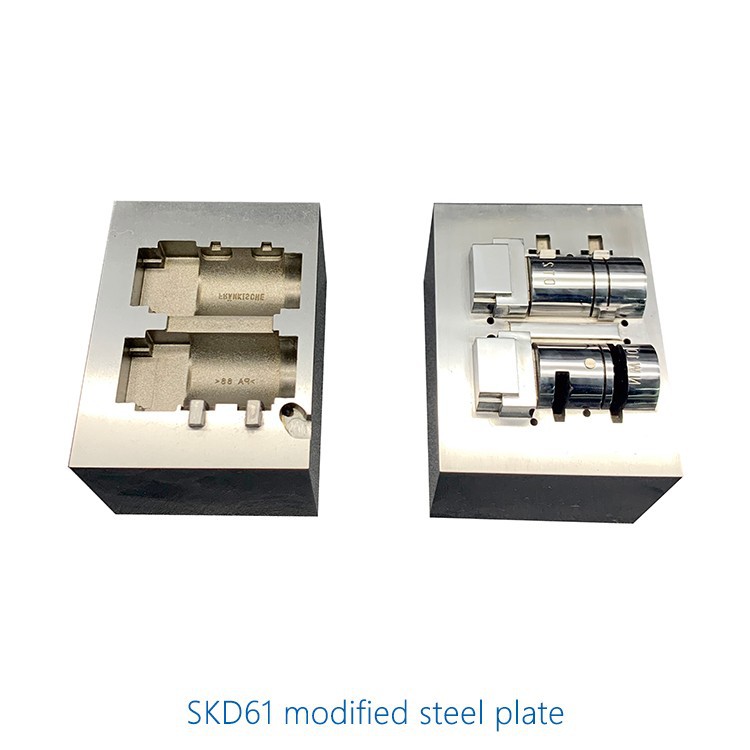

Using Precision Machining Equipment
Investing in high - quality precision machining equipment is essential for achieving high - precision results when cutting 6061 aluminum. CNC (Computer Numerical Control) machines are widely used in the industry for their accuracy and repeatability. CNC machines can be programmed to perform complex cutting operations with high precision, ensuring consistent results across multiple workpieces.
When using CNC machines, make sure they are properly calibrated and maintained. Regular calibration ensures that the machine's axes are accurate, and proper maintenance helps to prevent mechanical issues that can affect the cutting precision.
Quality Control and Inspection
After cutting the 6061 aluminum, it's important to perform quality control and inspection to ensure that the cut meets the required specifications. This can involve using measuring tools such as calipers, micrometers, and coordinate measuring machines (CMMs).
Calipers are used to measure the dimensions of the workpiece, such as length, width, and thickness. Micrometers provide more precise measurements and are suitable for measuring small features. CMMs are the most accurate measuring tools and can measure the three - dimensional coordinates of the workpiece with high precision.
If any deviations from the specifications are detected, adjustments can be made to the cutting process or the machining equipment to improve the precision of the next cut.
Applications and Related Services
6061 aluminum is used in a wide range of applications. In the aerospace industry, it is used for making aircraft components such as wings, fuselages, and landing gear parts. In the automotive industry, it is used for engine blocks, wheels, and suspension components. For those interested in other materials processing, we also offer services related to Die Steel, Processing Of Engineering Plastics, and Stainless Steel Processing.
Conclusion
Cutting 6061 aluminum with a high - precision result requires a combination of proper tool selection, optimized cutting parameters, effective chip management, high - quality machining equipment, and rigorous quality control. By following these strategies and techniques, you can ensure that your 6061 aluminum cutting projects meet the highest standards of precision.
If you're in need of high - precision 6061 aluminum cutting services or have any questions about the process, feel free to reach out to us. We're here to help you achieve the best results for your projects.
References
- "Machining Aluminum Alloys: A Guide to High - Speed Machining", ASM International
- "Aluminum Alloys: Structure and Properties", Elsevier
- "CNC Machining Handbook", Industrial Press Inc.