

Hey there! I'm a supplier of steel rule die stock, and I've been in this game for quite a while. One question that comes up a lot from our customers is how the hardness of steel rule die stock affects its performance. Well, let's dive right into it.
First off, what is steel rule die stock? It's a key component in the die - making industry, used to create custom - shaped dies for cutting, creasing, and embossing various materials. The hardness of this stock plays a crucial role in how well these dies work.
Impact on Cutting Ability
The hardness of steel rule die stock directly impacts its cutting ability. When the stock is harder, it can hold a sharper edge for a longer time. Think about it like a kitchen knife. A dull knife is a pain to use, right? It takes more effort to cut through things, and the cut isn't as clean. The same goes for steel rule dies.
Harder die stock can cut through tough materials like thick cardboard, leather, and even some Processing Of Engineering Plastics with ease. It can make precise cuts, which is super important, especially when you're working on high - quality products. For example, in the packaging industry, a clean and precise cut ensures that the boxes fit together perfectly and look professional.
On the other hand, if the die stock is too soft, the cutting edge will dull quickly. You'll find yourself having to replace the dies more often, which can be a real hassle and an added cost. Soft die stock might also struggle to cut through thick or tough materials, leading to uneven cuts or incomplete severing of the material.
Resistance to Wear and Tear
Another major aspect is the resistance to wear and tear. Harder steel rule die stock is more resistant to abrasion. When the die is in use, it's constantly rubbing against the material it's cutting or shaping. This friction can cause the die to wear down over time.
A harder die stock can withstand this friction better. It won't lose its shape or sharpness as quickly as a softer one. This means that your dies will have a longer lifespan, which is a huge plus for businesses. You won't have to keep buying new dies all the time, and you can rely on your existing ones to keep performing well.
For instance, in a high - volume production environment, where the dies are used hundreds or even thousands of times a day, a hard die stock can save you a ton of money in the long run. You'll have fewer production delays due to die replacement, and your overall production efficiency will increase.
Flexibility and Brittleness
However, it's not all about hardness. There's a balance to be struck. If the steel rule die stock is too hard, it can become brittle. A brittle die is more likely to break or crack, especially when it's under stress. This can be a real problem, as a broken die can cause damage to the machine and halt production.
On the other hand, a softer die stock is more flexible. It can bend to some extent without breaking, which can be an advantage in certain applications. For example, if you're working with irregularly shaped materials or need the die to conform to a specific curve, a slightly softer die stock might be a better choice.
But you have to be careful not to go too far in the softness direction. If it's too soft, it won't have the cutting power or wear resistance we talked about earlier. So, finding the right hardness level is crucial.
Influence on Material Compatibility
The hardness of the steel rule die stock also affects its compatibility with different materials. Different materials have different properties, and the die stock needs to be able to work well with them.
For Carbon Steel Alloy, a harder die stock is usually a good choice. Carbon steel alloys are often tough and require a sharp and durable cutting edge. A hard die can cut through the alloy without getting damaged easily.
When it comes to softer materials like foam or thin paper, a slightly softer die stock might be sufficient. You don't need the extreme hardness that's required for tougher materials, and a softer die can still make clean cuts without causing damage to the delicate material.
Cost - Benefit Analysis
Now, let's talk about the cost - benefit aspect. Harder steel rule die stock usually costs more than softer ones. This is because the manufacturing process for harder stock is more complex and requires higher - quality materials.
But when you consider the long - term benefits, it often makes sense to invest in harder die stock. As we've seen, harder die stock lasts longer, has better cutting ability, and is more resistant to wear. This means fewer replacements and less downtime, which can save you a lot of money in the long run.
Of course, if you're on a tight budget or only need to use the dies for a short - term project, a softer and cheaper die stock might be a viable option. But for most businesses that rely on die - cutting for their production, the benefits of harder die stock outweigh the initial cost.
Machinability
The hardness of the steel rule die stock also impacts its machinability. Machinability refers to how easily the stock can be shaped, drilled, or otherwise modified to create the desired die.
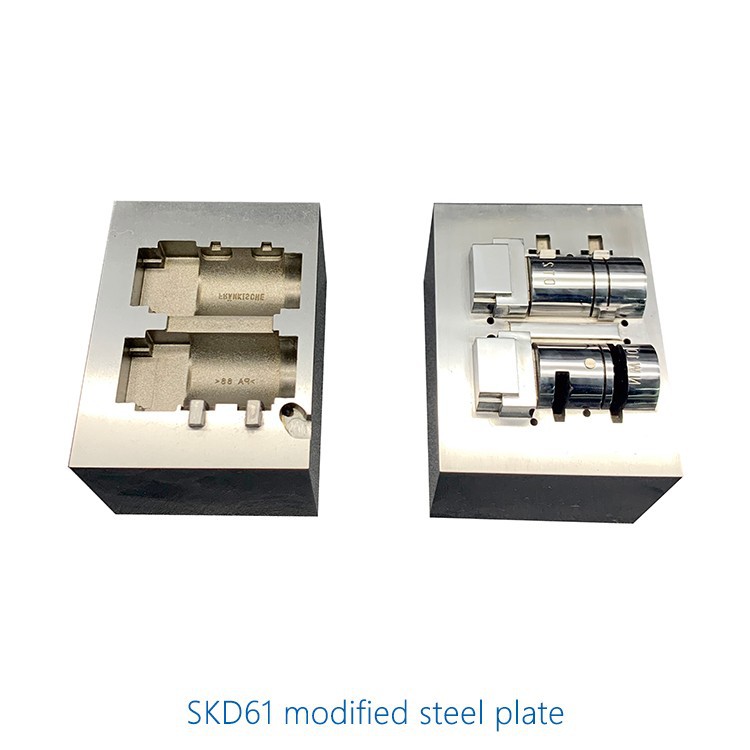

Softer die stocks are generally easier to machine. You can cut, drill, and shape them more quickly and with less effort. This can be an advantage if you need to make custom - shaped dies in a hurry.
Harder die stocks, on the other hand, are more difficult to machine. They require specialized tools and techniques, and the machining process takes longer. However, once the die is made, its performance benefits often make up for the extra time and effort spent in machining.
Heat Resistance
Heat resistance is another factor affected by the hardness of the steel rule die stock. When the die is in use, friction can generate heat. If the die stock isn't heat - resistant, this heat can cause the stock to soften, lose its shape, or even become damaged.
Harder die stocks tend to have better heat resistance. They can withstand the heat generated during the cutting process without significant changes in their properties. This is especially important in high - speed cutting operations, where a lot of heat is produced.
Conclusion
So, as you can see, the hardness of steel rule die stock has a profound impact on its performance. It affects cutting ability, wear resistance, flexibility, material compatibility, cost - effectiveness, machinability, and heat resistance.
Finding the right hardness level for your specific application is crucial. Whether you're working with tough Die Steel, delicate plastics, or anything in between, there's a perfect hardness level that will give you the best results.
If you're in the market for steel rule die stock and want to learn more about how to choose the right hardness for your needs, or if you have any other questions, don't hesitate to reach out. We're here to help you make the best choice for your business. Let's talk and see how we can work together to improve your die - cutting operations.
References
- "Handbook of Die - Making Technology"
- "Materials Science for Engineers"
- Industry reports on die - cutting and steel rule die stock performance