

When discussing the performance stability of aluminum, a critical comparison emerges between artificial aging and natural aging. As a supplier of artificially aged aluminum, I've witnessed firsthand the unique characteristics and advantages that artificial aging brings to the table. This blog aims to delve into the nuances of both processes and explore how they stack up against each other in terms of the performance stability of aluminum.
Understanding Natural Aging
Natural aging, also known as precipitation hardening at room temperature, occurs when aluminum alloys are left to age over an extended period. After a solution heat treatment, the alloy is quenched, and then the atoms within the material gradually rearrange themselves. This process is a slow and spontaneous one, driven by the natural tendency of the atoms to reach a more stable state.
One of the primary benefits of natural aging is its simplicity. It requires no additional equipment or energy input beyond the initial heat treatment and quenching. This can make it a cost - effective option for some applications, especially when time is not a critical factor. However, the slow pace of natural aging can also be a drawback. It can take weeks, months, or even years for the alloy to reach its maximum strength and stability.
In terms of performance stability, natural aging can lead to a relatively uniform distribution of precipitates within the aluminum matrix. These precipitates act as obstacles to the movement of dislocations, which in turn enhances the strength and hardness of the material. But the long - term nature of the process means that the final properties can be affected by environmental factors such as temperature and humidity. Fluctuations in these conditions can cause variations in the precipitation rate, leading to inconsistent performance.
The Process of Artificial Aging
Artificial aging, on the other hand, involves heating the aluminum alloy to a specific temperature for a controlled period of time after solution heat treatment and quenching. This accelerated process allows for precise control over the precipitation of strengthening phases within the material. By carefully selecting the aging temperature and time, we can tailor the properties of the aluminum to meet specific application requirements.
As a supplier of artificially aged aluminum, we have the advantage of being able to optimize the aging process for maximum performance stability. For example, by using higher aging temperatures, we can speed up the precipitation process, reducing the overall production time. This not only increases efficiency but also allows for more consistent results.
Artificial aging also offers greater flexibility in terms of the final properties of the aluminum. We can achieve a wider range of strength and hardness values compared to natural aging. This is particularly important in applications where high - performance materials are required, such as in the aerospace and automotive industries.
Performance Stability Comparison
Strength and Hardness
In terms of strength and hardness, artificial aging generally provides more reliable and consistent results. The controlled nature of the process allows us to achieve a specific level of precipitation, which directly correlates with the mechanical properties of the aluminum. For instance, in applications where high - strength components are needed, such as aircraft wings or automotive engine parts, artificially aged aluminum can offer superior performance. The Carbon Steel Alloy and Die Steel industries also rely on precise control of material properties, similar to what we can achieve with artificial aging of aluminum.
Natural aging, while capable of increasing strength over time, may not be able to reach the same high - strength levels as artificial aging. Additionally, the long - term nature of natural aging makes it difficult to predict and control the final strength values accurately.
Dimensional Stability
Dimensional stability is another crucial aspect of performance stability. In applications where precise dimensions are required, such as in precision machinery or electronic components, artificial aging has a clear advantage. The controlled precipitation process in artificial aging minimizes the internal stresses within the aluminum, reducing the likelihood of dimensional changes over time.
Natural aging, due to its slow and unpredictable nature, can result in residual stresses that may cause the material to warp or deform. This can lead to issues with fit and functionality in the final product.
Resistance to Corrosion
Corrosion resistance is an important consideration for aluminum, especially in harsh environments. Artificial aging can improve the corrosion resistance of aluminum by promoting the formation of a more uniform and protective oxide layer on the surface. The controlled precipitation of strengthening phases also helps to reduce the susceptibility of the material to galvanic corrosion.
Natural aging may not have the same positive impact on corrosion resistance. The long - term exposure to environmental factors during natural aging can actually increase the risk of corrosion in some cases.
Case Studies
To illustrate the difference in performance stability between artificial and natural aging, let's consider a few case studies.

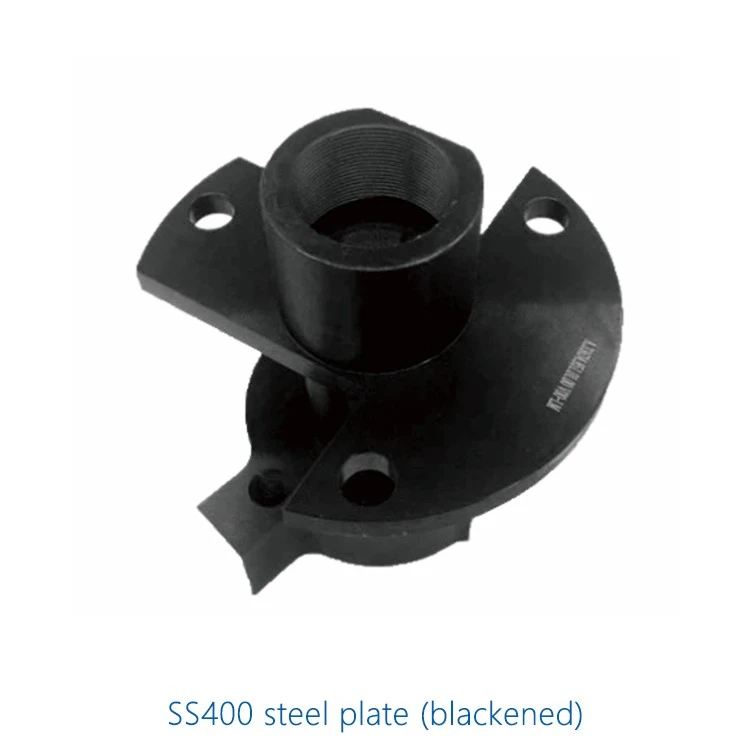
In the aerospace industry, where safety and reliability are of utmost importance, artificially aged aluminum is widely used. For example, in the manufacturing of aircraft structural components, the high - strength and dimensional stability provided by artificial aging are essential. These components need to withstand extreme mechanical stresses and environmental conditions over long periods of time. The use of artificially aged aluminum ensures consistent performance and reduces the risk of failure.
In contrast, in some low - cost consumer products where time is not a critical factor and the performance requirements are less stringent, natural aging may be used. However, these products may experience more variability in performance over time, especially if they are exposed to changing environmental conditions.
The Role of Copper Alloy in Aluminum Aging
The addition of copper alloy can also have a significant impact on the aging process of aluminum. Copper can form precipitates with aluminum, which contribute to the strengthening of the material. Copper Alloy Class provides detailed information on the different types of copper alloys and their properties. When used in combination with artificial aging, copper alloy can enhance the performance stability of aluminum even further. By carefully controlling the copper content and the aging process, we can achieve optimal precipitation of copper - aluminum phases, resulting in improved strength, hardness, and corrosion resistance.
Conclusion
In conclusion, when it comes to the performance stability of aluminum, artificial aging has several distinct advantages over natural aging. As a supplier of artificially aged aluminum, we are able to offer materials with consistent and predictable properties, tailored to meet the specific needs of our customers. The precise control over the aging process allows us to optimize strength, hardness, dimensional stability, and corrosion resistance.
If you are in need of high - performance aluminum products with reliable performance stability, we invite you to contact us for a procurement discussion. We are committed to providing the best - quality artificially aged aluminum solutions for your applications.
References
- Davis, J. R. (Ed.). (2001). Aluminum and Aluminum Alloys. ASM International.
- Hatch, J. E. (Ed.). (1984). Aluminum: Properties and Physical Metallurgy. American Society for Metals.
- Totten, G. E., & MacKenzie, D. (2003). Handbook of Aluminum: Physical Metallurgy and Processes. CRC Press.