

Hey there! As a supplier of steel rule die punches, I often get asked this question: Can steel rule die punches cut multiple layers of material at once? Well, let's dive right into it and find out.
First off, let's talk a bit about what steel rule die punches are. They're these super - useful tools made from thin, hardened steel strips that are bent and sharpened to create a cutting edge. These dies are commonly used in industries like packaging, automotive, and textiles to cut various materials.
Now, to answer the big question - yes, steel rule die punches can cut multiple layers of material at once. But, there are a bunch of factors that come into play here.
Material Type
The type of material you're trying to cut is crucial. Some materials are a breeze to cut through multiple layers, while others can be a real pain. For instance, soft and flexible materials like cardboard, felt, and thin plastics are great candidates for multi - layer cutting. They don't put up too much resistance, so the steel rule die can easily slice through them.
On the other hand, materials like thick leather, hard rubber, or Carbon Steel Alloy can be a challenge. These materials are tough, and cutting through multiple layers might cause the die to wear out quickly or even break. You need to be extra careful when dealing with them.
Material Thickness
Thickness also matters big time. If you're working with very thin materials, you can stack up quite a few layers and still get a clean cut. Say you're cutting thin paper - you could probably cut 10, 20, or even more layers at once. But as the thickness of the material increases, the number of layers you can cut at once decreases.
Let's take cardboard as an example. A thin corrugated cardboard might allow you to cut 5 - 10 layers in one go. But if you've got a thick, heavy - duty cardboard, you might only be able to cut 2 or 3 layers without compromising the quality of the cut.
Die Quality
The quality of the steel rule die itself is a key factor. A high - quality die made from Die Steel or Copper Alloy Class will have a sharper cutting edge and better durability. This means it can handle cutting through multiple layers more effectively.

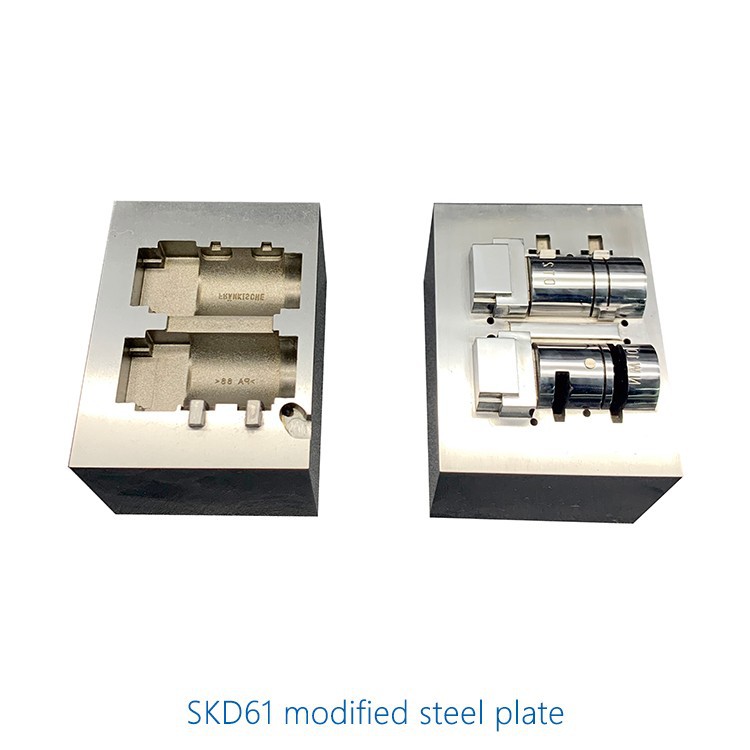
A cheap, low - quality die might start to dull quickly when cutting multiple layers. The cutting edge can become uneven, leading to rough cuts and potentially ruining your materials. So, it's always worth investing in a good - quality die if you plan on doing multi - layer cutting.
Cutting Pressure
The amount of pressure applied during the cutting process is also important. You need to make sure there's enough pressure to cut through all the layers cleanly, but not so much that it damages the die or the material.
Most modern cutting machines allow you to adjust the pressure. When cutting multiple layers, you might need to increase the pressure slightly compared to cutting a single layer. But be careful not to go overboard, as too much pressure can cause the material to deform or the die to break.
Design Complexity
If your die has a simple design, like a straight line or a basic shape, it's usually easier to cut through multiple layers. The cutting force is distributed evenly, and there's less chance of the die getting stuck or damaged.
However, if your die has a complex design with lots of curves, small details, or tight corners, cutting multiple layers can be more difficult. The pressure might not be evenly distributed, and some parts of the die might experience more stress than others. This can lead to uneven cuts or even breakage in the more delicate parts of the die.
Advantages of Cutting Multiple Layers
There are some real benefits to cutting multiple layers at once. First of all, it saves time. Instead of cutting one layer at a time, you can get the job done much faster by cutting several layers simultaneously. This is especially important in industries where time is money, like mass production.
It also saves on energy and machine wear. Since you're making fewer cutting passes, your cutting machine doesn't have to work as hard, which can extend its lifespan and reduce energy consumption.
Disadvantages of Cutting Multiple Layers
But it's not all sunshine and rainbows. One of the main disadvantages is that if there's a problem with the cut, like a dull die or incorrect pressure, it can affect all the layers at once. This means you might end up wasting a lot of material.
Also, as I mentioned earlier, cutting multiple layers can put more stress on the die, which can lead to faster wear and tear. You might need to replace the die more frequently, which can add to your costs.
So, in conclusion, steel rule die punches can cut multiple layers of material at once, but it depends on several factors like material type, thickness, die quality, cutting pressure, and design complexity. If you're careful and take these factors into account, you can enjoy the benefits of faster production and cost - savings.
If you're in the market for high - quality steel rule die punches and want to discuss your specific cutting needs, whether it's single - layer or multi - layer cutting, I'd love to chat. Just reach out, and we can start a conversation about how to get the best results for your business.
References
- General knowledge of steel rule die punch technology and manufacturing processes.
- Industry experience in supplying steel rule die punches to various sectors.