

Can steel rule die punches be used for curved cutting? This is a question that often arises in the manufacturing and fabrication industries. As a supplier of steel rule die punches, I've encountered this query numerous times from our clients. In this blog post, I'll delve into the details of whether steel rule die punches can effectively handle curved cutting, exploring the capabilities, limitations, and considerations associated with this application.
Understanding Steel Rule Die Punches
Steel rule die punches are a type of cutting tool commonly used in various industries, including packaging, automotive, and textile. They consist of a thin, hardened steel blade (the rule) that is embedded in a wooden, plastic, or metal base. The steel rule is precision - ground to a sharp edge, which allows it to cut through a wide range of materials, such as paper, cardboard, fabric, leather, and thin plastics.
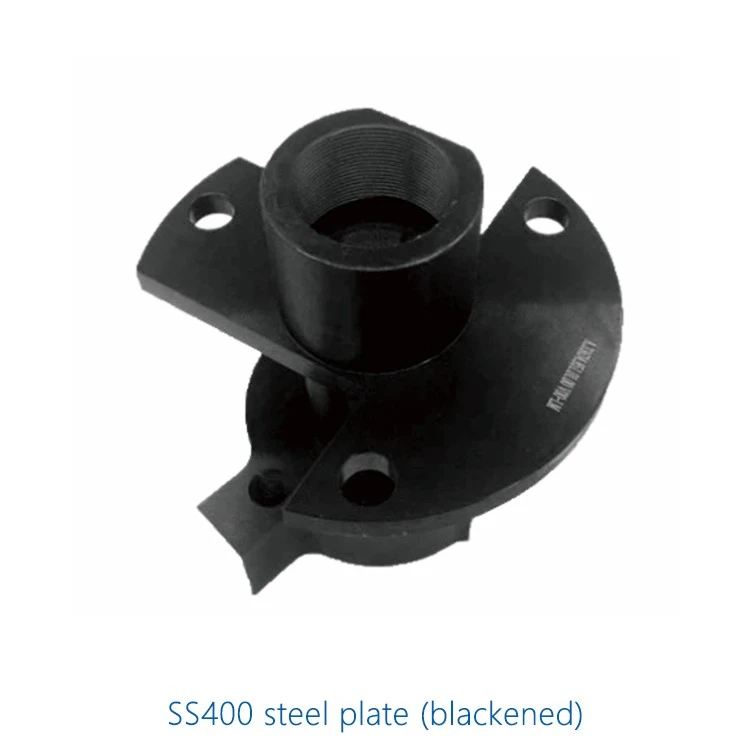

The design and construction of steel rule die punches make them highly versatile. They can be custom - made to create almost any shape, from simple geometric figures to complex patterns. However, when it comes to curved cutting, there are several factors to consider.
Capabilities of Steel Rule Die Punches for Curved Cutting
One of the significant advantages of steel rule die punches is their flexibility in creating curved cuts. The thin steel rule can be bent to form various curves, enabling the production of parts with rounded edges or circular shapes. This flexibility makes them suitable for applications where curved components are required, such as in the production of circular labels, curved packaging inserts, or rounded leather goods.
The process of creating a steel rule die for curved cutting involves carefully bending the steel rule to the desired curvature. Skilled die - makers use specialized tools and techniques to ensure that the bend is smooth and accurate, maintaining the integrity of the cutting edge. Once the rule is bent, it is then securely mounted in the base material, creating a stable cutting tool.
In addition, steel rule die punches can be used to cut multiple layers of material simultaneously, even when creating curved cuts. This is particularly useful in high - volume production environments, where efficiency is crucial. By cutting multiple layers at once, manufacturers can increase their output and reduce production time.
Limitations of Steel Rule Die Punches in Curved Cutting
While steel rule die punches offer flexibility in curved cutting, they also have some limitations. One of the main limitations is the radius of curvature that can be achieved. Extremely tight curves may cause the steel rule to crack or break, especially if the rule is too thick or the bend is too sharp. As a general rule, the minimum radius of curvature for a steel rule die punch depends on the thickness and hardness of the rule. Thinner rules can typically achieve smaller radii, but they may also be more prone to wear and breakage.
Another limitation is the accuracy of the curved cut. Although steel rule die punches can produce relatively accurate curved cuts, they may not be as precise as other cutting methods, such as laser cutting or waterjet cutting. This is because the cutting process relies on the mechanical force applied by the press, which can cause some minor variations in the cut. In applications where high precision is required, such as in the production of electronic components or medical devices, steel rule die punches may not be the best choice.
The material being cut also plays a role in the effectiveness of steel rule die punches for curved cutting. Some materials, such as thick plastics or rubber, may be more difficult to cut with a steel rule die, especially when creating complex curves. These materials may require more force to cut, which can put additional stress on the rule and increase the risk of breakage.
Considerations for Using Steel Rule Die Punches in Curved Cutting
When considering using steel rule die punches for curved cutting, several factors should be taken into account. First, the design of the part should be carefully evaluated to determine the feasibility of using a steel rule die. The radius of curvature, the complexity of the curve, and the overall size of the part will all affect the performance of the die.
The choice of steel rule is also crucial. Different types of steel rules are available, each with its own properties and characteristics. For example, Carbon Steel Alloy rules are commonly used for general - purpose cutting, while Copper Alloy Class rules may offer better corrosion resistance. The thickness and hardness of the rule should be selected based on the specific requirements of the application, including the material being cut and the radius of curvature.
The press used with the steel rule die punch is another important consideration. The press should be capable of applying sufficient force to cut through the material, but not so much force that it causes damage to the die. The type of press, such as a flat - bed press or a rotary press, can also affect the quality of the curved cut. Rotary presses, for example, are often used for continuous curved cutting, as they can provide a smooth and consistent cutting motion.
Applications of Steel Rule Die Punches in Curved Cutting
Despite their limitations, steel rule die punches are widely used in various industries for curved cutting applications. In the packaging industry, they are used to create curved inserts and packaging components, such as circular trays or oval - shaped boxes. The flexibility of the steel rule allows for the production of unique and eye - catching packaging designs.
In the textile industry, steel rule die punches are used to cut curved patterns from fabric, such as the curved edges of collars or the circular shapes of buttons. They are also used in the production of leather goods, such as wallets and handbags, where curved cuts are required for a professional finish.
The automotive industry also benefits from the use of steel rule die punches for curved cutting. They are used to cut gaskets, seals, and other rubber or foam components with curved shapes. These components play a crucial role in the performance and reliability of automotive vehicles.
Conclusion
In conclusion, steel rule die punches can indeed be used for curved cutting. Their flexibility in creating curved cuts, combined with their ability to cut multiple layers of material simultaneously, makes them a valuable tool in many industries. However, it is important to be aware of their limitations, such as the minimum radius of curvature and the accuracy of the cut.
When considering using steel rule die punches for curved cutting, careful planning and evaluation are essential. By choosing the right type of steel rule, using the appropriate press, and considering the material being cut, manufacturers can achieve high - quality curved cuts and optimize their production processes.
If you are interested in exploring the use of steel rule die punches for your curved cutting needs, we invite you to contact us for more information. Our team of experts can provide you with customized solutions and advice based on your specific requirements. We look forward to discussing your project and helping you find the best cutting solution for your business.
References
- Smith, J. (2018). Die - Cutting Technology: Principles and Applications. Industrial Press Inc.
- Johnson, A. (2020). The Art of Steel Rule Die - Making. Die - Making Journal.
- Brown, C. (2019). Cutting Tools for the Manufacturing Industry. Manufacturing Today Magazine.