

As a dedicated stainless steel prototyping supplier, I've often been asked about the recyclability of stainless steel prototypes. This question isn't just relevant to environmentalists; it's a crucial consideration for businesses aiming to minimize waste, cut costs, and meet sustainability goals. In this blog, I'll delve into the science behind stainless steel recycling, its practical aspects, and why it matters in our industry.
The Science of Stainless Steel Recycling
Stainless steel is an alloy primarily composed of iron, chromium, nickel, and other elements. Its unique properties, such as corrosion resistance and strength, make it a popular choice for various applications, from kitchenware to aerospace components. But what makes it so recyclable?
The key lies in its composition. Unlike some materials that degrade with each recycling cycle, stainless steel can be recycled indefinitely without losing its inherent properties. When stainless steel is melted down, the individual elements can be separated and refined to their original purity levels. This process allows for the creation of new stainless steel products that are just as high - quality as those made from virgin materials.
The recycling process begins with collection. Stainless steel prototypes that are no longer needed or have been damaged during testing are gathered. These prototypes are then sorted based on their alloy composition. This step is crucial because different grades of stainless steel have different proportions of elements, and sorting ensures that the recycling process can be optimized.
Once sorted, the stainless steel is melted in a furnace at extremely high temperatures. During this melting process, impurities are removed, and the alloy is refined. The molten stainless steel is then cast into new forms, such as ingots or billets, which can be further processed into new prototypes or finished products.
Practical Aspects of Recycling Stainless Steel Prototypes
In the context of a stainless steel prototyping business, recycling has several practical benefits. First and foremost, it reduces waste. Instead of sending prototypes to landfills after they've served their purpose, we can give them a new life. This not only helps the environment but also saves on disposal costs.
Recycling also has economic advantages. The cost of virgin stainless steel can be quite high, especially for specialized grades. By recycling our prototypes, we can significantly reduce the raw material costs for new projects. This cost - savings can be passed on to our customers, making our services more competitive in the market.
Another practical aspect is the speed of the recycling process. Compared to sourcing and processing virgin materials, recycling stainless steel prototypes is often faster. This means that we can turn around new projects more quickly, meeting our customers' tight deadlines.
Comparison with Other Materials
It's interesting to compare the recyclability of stainless steel with other materials commonly used in prototyping. For example, Carbon Steel Alloy is also a popular choice, but its recycling process is more complex due to its carbon content. High - carbon steels can be more difficult to melt and refine, and the recycling process may require additional steps to remove impurities.
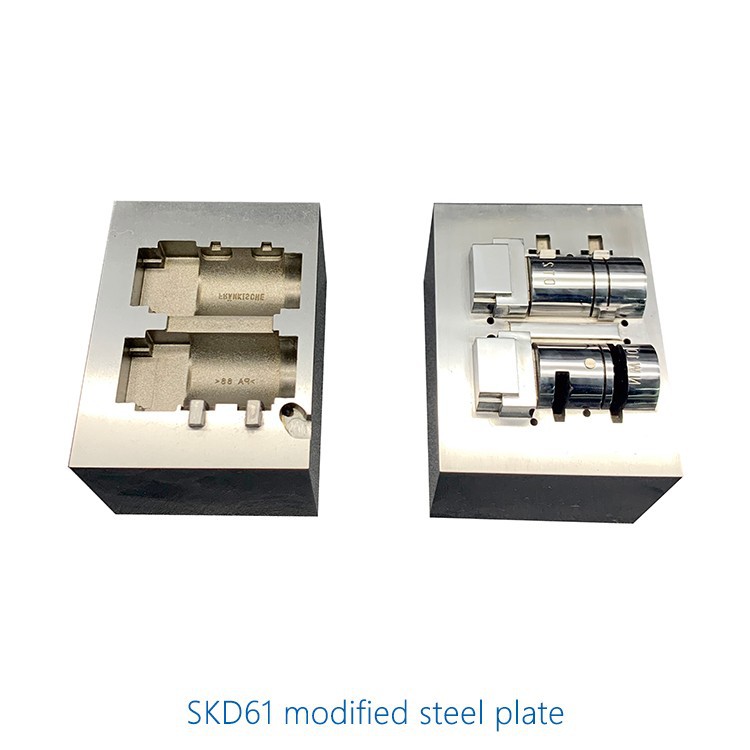
Die Steel is another material used in prototyping. While it can be recycled, die steel often contains a variety of alloying elements that need to be carefully managed during the recycling process. Stainless steel, on the other hand, has a more straightforward recycling process due to its relatively stable composition.
Some materials, such as certain plastics, have limited recyclability. They may degrade during the recycling process, resulting in lower - quality products. In contrast, stainless steel maintains its high quality through multiple recycling cycles, making it a more sustainable choice in the long run.
Environmental Impact
The environmental benefits of recycling stainless steel prototypes are significant. Mining and processing virgin stainless steel require large amounts of energy and resources. These processes can lead to deforestation, water pollution, and greenhouse gas emissions. By recycling, we can reduce our reliance on virgin materials, thereby conserving natural resources and reducing our carbon footprint.
Recycling also helps to reduce the amount of waste going to landfills. Stainless steel does not decompose easily, and if left in landfills, it can take up valuable space for a long time. By recycling, we can ensure that these materials are reused, contributing to a more circular economy.
Challenges in Recycling Stainless Steel Prototypes
While the benefits of recycling stainless steel prototypes are clear, there are also some challenges. One of the main challenges is the collection and sorting process. Ensuring that all prototypes are properly collected and sorted according to their alloy composition can be time - consuming and labor - intensive.
Another challenge is the cost of the recycling process itself. Although recycling can save on raw material costs in the long run, the initial investment in recycling equipment and facilities can be high. Additionally, the transportation of prototypes to recycling facilities can add to the overall cost.

Our Approach as a Supplier
As a stainless steel prototyping supplier, we take recycling seriously. We have established a comprehensive system for collecting and sorting our prototypes. Our team is trained to identify different grades of stainless steel, ensuring that the recycling process is as efficient as possible.
We also work closely with recycling partners who have state - of - the - art facilities. These partners are able to recycle our prototypes quickly and cost - effectively, allowing us to pass on the savings to our customers.
In addition to recycling our own prototypes, we also encourage our customers to recycle their stainless steel products. We provide information on the recycling process and offer to take back any unused or damaged prototypes for recycling.
Conclusion
In conclusion, stainless steel prototypes can indeed be recycled, and the benefits are numerous. From an environmental perspective, recycling helps to conserve resources and reduce waste. Economically, it can save on raw material costs and make our products more competitive.
As a stainless steel prototyping supplier, we are committed to promoting recycling in our industry. We believe that by working together with our customers and partners, we can create a more sustainable future.
If you're interested in our stainless steel prototyping services or have questions about recycling, we'd love to hear from you. Whether you're looking for high - quality prototypes or want to learn more about our recycling initiatives, feel free to reach out for a procurement discussion.
References
- ASM Handbook Committee. (2004). ASM Handbook, Volume 1: Properties and Selection: Irons, Steels, and High - Performance Alloys. ASM International.
- European Stainless Steel Association. (2023). The Sustainability of Stainless Steel. Retrieved from [Website URL]
- World Steel Association. (2023). Steel Recycling. Retrieved from [Website URL]