

Stainless steel is a popular material in prototyping due to its excellent corrosion resistance, strength, and aesthetic appeal. As a stainless steel prototyping supplier, one question we often encounter from our clients is whether stainless steel prototypes can be painted. In this blog post, we will explore this topic in detail, discussing the feasibility, processes, benefits, and challenges of painting stainless steel prototypes.
Feasibility of Painting Stainless Steel Prototypes
The short answer is yes, stainless steel prototypes can be painted. However, it is not as straightforward as painting other materials like wood or plastic. Stainless steel has a smooth, non - porous surface and a passive oxide layer that makes it resistant to corrosion but also poses challenges for paint adhesion.
The passive oxide layer on stainless steel acts as a protective barrier, preventing the paint from directly bonding to the metal surface. If the paint does not adhere properly, it can peel, chip, or flake off over time, especially when exposed to environmental factors such as moisture, heat, or mechanical stress. Therefore, proper surface preparation is crucial to ensure good paint adhesion on stainless steel prototypes.
Surface Preparation for Painting Stainless Steel Prototypes
Surface preparation is the key step in the process of painting stainless steel prototypes. It involves several stages to remove contaminants, roughen the surface, and promote paint adhesion.
Cleaning
The first step is to clean the stainless steel surface thoroughly. This can be done using a mild detergent or a specialized stainless - steel cleaner to remove dirt, grease, oil, and other contaminants. After cleaning, the surface should be rinsed with clean water and dried completely.
Degreasing
In addition to general cleaning, degreasing is essential to remove any residual oils or greases that may prevent paint adhesion. A degreaser specifically designed for metal surfaces can be used. The degreasing process should be followed by a thorough rinse and drying.
Surface Roughening
To improve paint adhesion, the smooth surface of stainless steel needs to be roughened. This can be achieved through methods such as sandblasting, wire brushing, or using sandpaper. Sandblasting is a popular method as it can create a uniform and rough surface texture. However, it should be done carefully to avoid damaging the prototype. After roughening, the surface should be cleaned again to remove any dust or debris.
Chemical Treatment
Some chemical treatments can also be used to enhance paint adhesion. For example, a chemical primer or etching solution can be applied to the stainless steel surface. These chemicals can react with the metal surface, creating a more receptive layer for the paint.
Painting Processes for Stainless Steel Prototypes
Once the surface is properly prepared, there are several painting processes that can be used for stainless steel prototypes.
Spray Painting
Spray painting is a common method for applying paint to stainless steel prototypes. It allows for an even and smooth finish. There are different types of spray guns available, including air - spray guns and electrostatic spray guns. Air - spray guns use compressed air to atomize the paint, while electrostatic spray guns use an electrostatic charge to attract the paint particles to the metal surface, resulting in better coverage and less overspray.
Powder Coating
Powder coating is another popular option for painting stainless steel prototypes. In this process, dry powder paint is applied to the metal surface using an electrostatic gun. The powder particles are charged and adhere to the grounded stainless steel surface. After application, the prototype is heated in an oven, causing the powder to melt and form a durable, smooth finish. Powder coating offers excellent durability, resistance to chipping, and a wide range of color options.

Brush Painting
Brush painting is a more traditional method that can be used for smaller stainless steel prototypes or for touch - up work. It requires more skill to achieve a smooth finish compared to spray painting or powder coating. However, it can be a cost - effective option for small - scale projects.
Benefits of Painting Stainless Steel Prototypes
There are several benefits to painting stainless steel prototypes.
Aesthetic Enhancement
Painting can significantly enhance the appearance of stainless steel prototypes. It allows for a wider range of colors and finishes, enabling clients to achieve the desired look for their products. For example, a painted stainless steel prototype can mimic the appearance of other materials, such as wood or stone, for decorative purposes.
Corrosion Protection
In addition to the inherent corrosion resistance of stainless steel, a properly applied paint coating can provide an extra layer of protection. The paint can act as a barrier, preventing moisture, chemicals, and other corrosive agents from reaching the metal surface. This is especially important in environments where the prototype may be exposed to harsh conditions.
Branding and Identification
Painting can be used for branding and identification purposes. Companies can apply their logos, colors, or other markings to the stainless steel prototypes, making them easily recognizable. This is particularly useful for marketing and promotional activities.
Challenges of Painting Stainless Steel Prototypes
Despite the benefits, there are also some challenges associated with painting stainless steel prototypes.
Adhesion Issues
As mentioned earlier, achieving good paint adhesion on stainless steel can be difficult. If the surface preparation is not done correctly, the paint may not adhere properly, leading to peeling, chipping, or flaking. This can be a time - consuming and costly problem to fix.
Environmental Factors
The painting process and the durability of the paint coating can be affected by environmental factors. High humidity, extreme temperatures, and exposure to sunlight can all impact the performance of the paint. For example, prolonged exposure to sunlight can cause the paint to fade or crack over time.
Cost
The process of painting stainless steel prototypes can be more expensive compared to leaving the stainless steel in its natural state. This is due to the additional steps involved in surface preparation and the cost of the paint materials and equipment.
Comparison with Other Materials in Prototyping
When considering painting in prototyping, it is interesting to compare stainless steel with other common materials such as Copper Alloy Class, Die Steel, and Carbon Steel Alloy.
Copper alloys are known for their good conductivity and malleability. Painting copper alloy prototypes can be relatively easier in terms of adhesion compared to stainless steel as copper has a more reactive surface. However, copper is more prone to corrosion, and the paint may need to be more carefully selected to provide adequate protection.
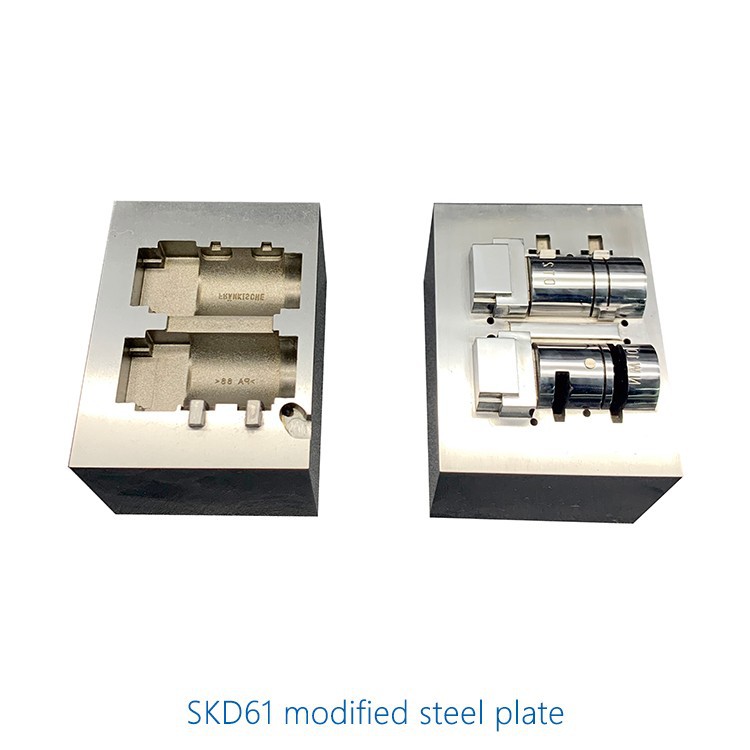
Die steel is a high - strength material often used in tooling and molding applications. Painting die steel prototypes can help with corrosion protection and identification. Similar to stainless steel, proper surface preparation is crucial for good paint adhesion.
Carbon steel alloy is a widely used material in prototyping. It is more susceptible to corrosion compared to stainless steel. Painting carbon steel alloy prototypes can significantly improve their corrosion resistance. However, the paint may require more frequent maintenance due to the higher risk of rusting.
Conclusion
In conclusion, stainless steel prototypes can be painted, but it requires proper surface preparation and the right painting process. By following the steps outlined above, we can achieve a high - quality paint finish on stainless steel prototypes, offering both aesthetic and functional benefits.
As a stainless steel prototyping supplier, we have the expertise and experience to handle the painting process for our clients. Whether you need a simple color change or a complex multi - layer paint system, we can work with you to meet your requirements. If you are interested in our stainless steel prototyping services or have any questions about painting stainless steel prototypes, please feel free to contact us for further discussion and procurement negotiation.
References
- "Handbook of Stainless Steels" by Yuri A. Kolotyrkin
- "Painting and Coating Technology" by Joseph D. May