

Hey there! As a supplier of hot die steel grades, I often get asked this question: Can hot die steel grades be welded easily? Well, let's dive right into it and find out.
First off, let's understand what hot die steel grades are. Hot die steels are a type of tool steel that are designed to withstand high temperatures, impact, and wear during hot working processes like forging, die casting, and extrusion. They're known for their excellent heat resistance, toughness, and hardness. Some common hot die steel grades include H11, H12, and H13.
Now, the big question – welding hot die steel grades. Welding is a process where two or more pieces of metal are joined together by heating them to a melting point and then allowing them to cool and solidify. But when it comes to hot die steel, it's not as straightforward as welding some other types of metals.
One of the main challenges with welding hot die steel is its high carbon and alloy content. These elements make the steel hard and strong, but they also increase the risk of cracking during the welding process. When the steel is heated during welding, it expands. And as it cools down, it contracts. This expansion and contraction can create internal stresses in the metal, which can lead to cracking if not managed properly.
Another issue is the formation of martensite. Martensite is a hard and brittle phase that can form in the steel when it's rapidly cooled after welding. This can make the welded area prone to cracking and reduce the overall strength and toughness of the steel.
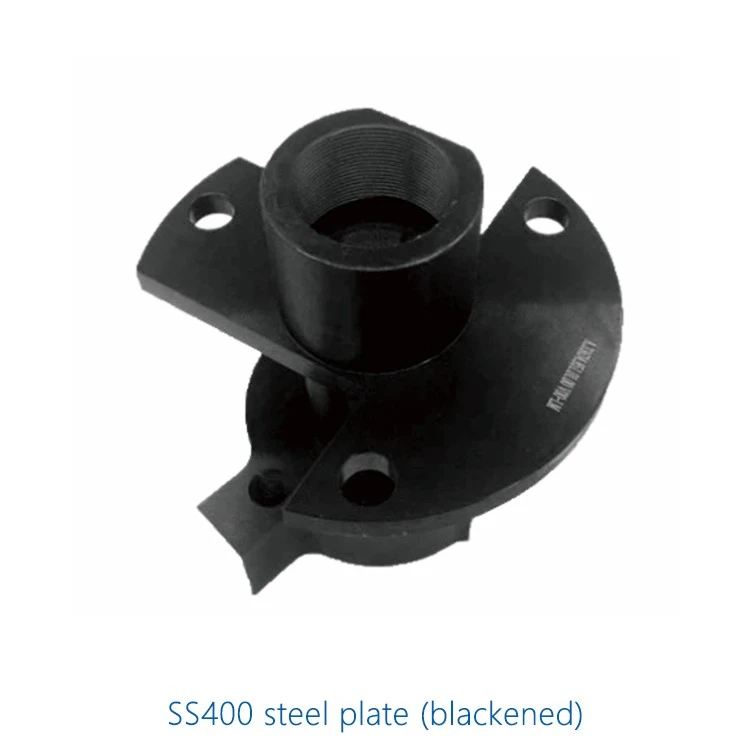

So, can hot die steel grades be welded easily? The short answer is no. But that doesn't mean it can't be done. With the right techniques and precautions, it's possible to weld hot die steel successfully.
One of the key steps in welding hot die steel is preheating. Preheating the steel before welding helps to reduce the temperature difference between the welded area and the surrounding metal. This minimizes the internal stresses that can cause cracking. The preheating temperature usually ranges from 200°C to 400°C, depending on the specific steel grade and the thickness of the material.
After preheating, it's important to use the right welding process and filler material. For hot die steel, processes like gas tungsten arc welding (GTAW) or shielded metal arc welding (SMAW) are commonly used. These processes allow for better control of the heat input and the quality of the weld. As for the filler material, it should have similar chemical composition and mechanical properties to the base metal. This helps to ensure a strong and durable weld.
During the welding process, it's crucial to maintain a consistent heat input and avoid overheating the steel. This can be achieved by controlling the welding current, voltage, and travel speed. After welding, the steel should be post-weld heat treated. This involves heating the welded area to a specific temperature and then cooling it slowly. Post-weld heat treatment helps to relieve the internal stresses, temper the martensite, and improve the overall properties of the weld.
Now, let's talk about some of the applications where welding of hot die steel might be necessary. In the manufacturing industry, hot die steel is used to make dies and molds for various processes. Sometimes, these dies and molds may get damaged or worn out over time. Instead of replacing the entire component, welding can be a cost-effective solution to repair the damaged area.
For example, if a die has a crack or a worn-out surface, welding can be used to fill the crack or build up the worn area. This can extend the lifespan of the die and save a lot of money in the long run.
If you're in the market for hot die steel grades or need more information about welding them, I'm here to help. As a supplier, I have a wide range of hot die steel grades available, and I can provide you with the technical support and advice you need. Whether you're involved in Stainless Steel Processing, Carbon Steel Alloy, or Die Steel applications, I can assist you in finding the right steel grade and ensuring a successful welding process.
If you have any questions or want to discuss your specific requirements, don't hesitate to reach out. Let's work together to find the best solutions for your projects.
References:
- "Tool Steels: Heat Treatment and Performance" by George E. Totten
- "Welding Metallurgy and Weldability of Stainless Steels" by John C. Lippold and David J. Kotecki